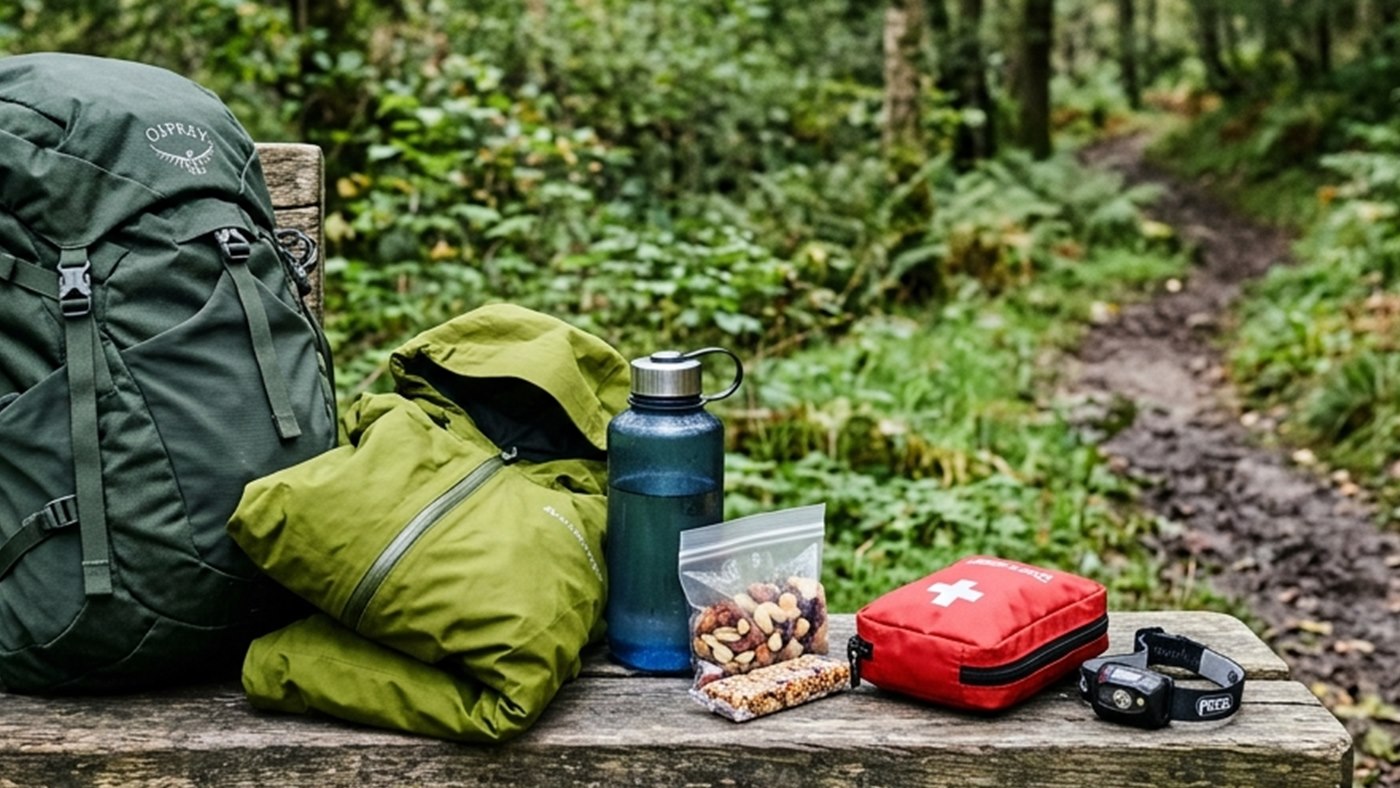
Blisters are small injuries that can ruin a big day. They usually start before the skin breaks: a little heat on the heel, a rubbing toe, a damp sock or a lace pressure point. The useful habit is to act at the hot spot stage, not after the blister has formed.
Prevention starts with fit, then continues with socks, foot care and the discipline to stop early.
Fit and lacing
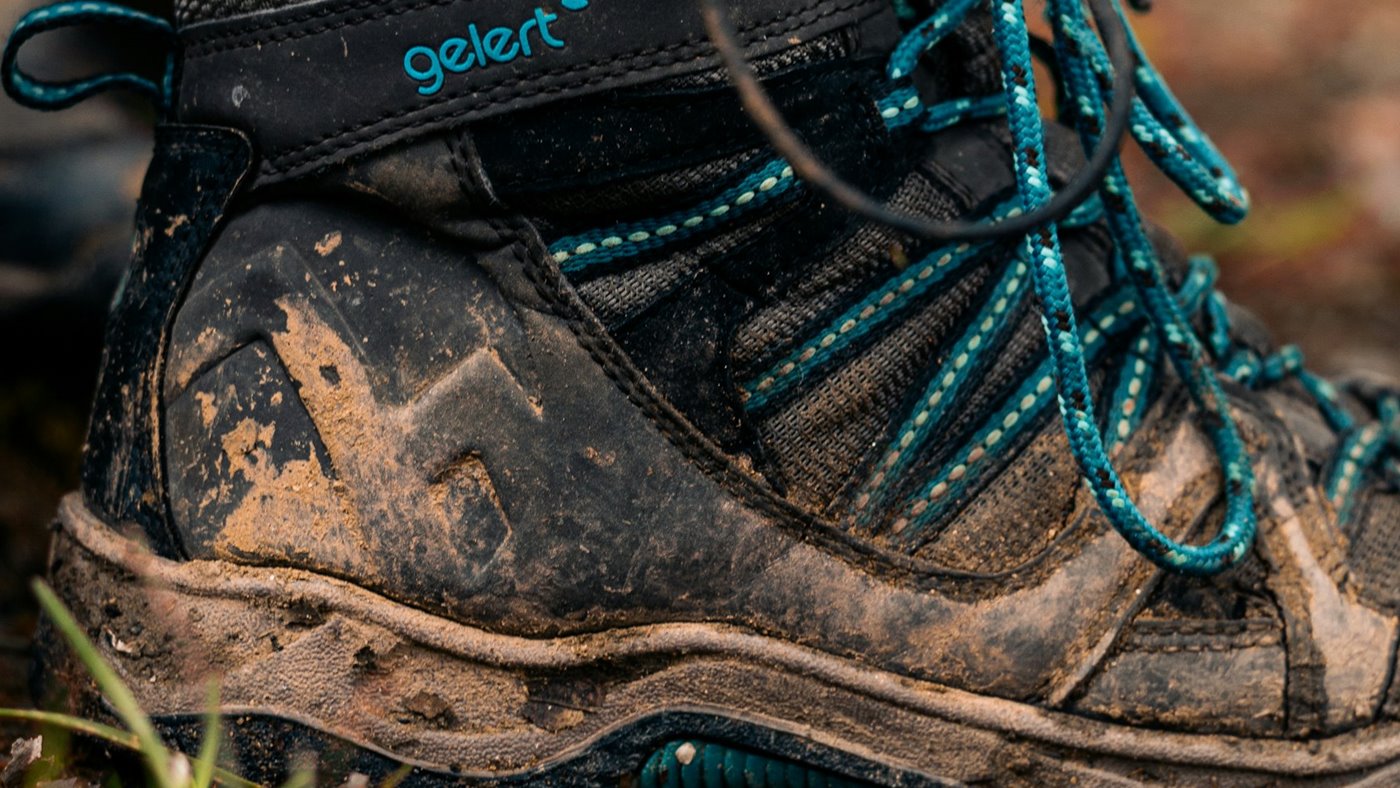
Footwear should hold the heel without crushing the toes. On descents, toes need enough room to avoid hitting the front. Lacing can change pressure: tighter near the ankle for descents, looser across the forefoot if swelling starts.
Socks and moisture
Good hiking socks manage moisture and reduce friction. Cotton socks hold sweat and often cause problems on longer walks. Merino or synthetic blends are usually better. Carrying a spare dry pair can change the second half of a wet day.
Treat hot spots early
If you feel heat or rubbing, stop. Dry the area, adjust the sock, relace the shoe and protect the spot with tape or a blister dressing. Waiting until the next rest point often turns a simple fix into a painful walk out.
| Problem | Likely cause | Early fix |
|---|---|---|
| Heel rub | Loose heel hold or stiff boot. | Relace and protect the skin early. |
| Toe blisters | Too little toe room on descents. | Check fit and trim nails before trips. |
| Underfoot heat | Damp socks or gritty insole. | Dry feet, shake out debris, change socks. |
Small foot care kit
Carry blister plasters, tape, a small wipe and spare socks on longer walks. The best kit is the one you use early. Do not save it for the point where walking already hurts.
Hot spots are the warning, not the problem
A blister usually gives notice before it becomes painful. Warmth, rubbing or a sharp point on the heel is the moment to stop. Dry the area if possible, smooth the sock and use tape or a blister plaster before the skin lifts. Waiting until the next break often turns a two-minute fix into a slow walk back.
Test socks and lacing together
Footwear fit changes with sock thickness, terrain and how tightly the shoe is laced. A sock that feels good on flat ground may bunch on descents. Heel-lock lacing can reduce movement, but it can also create pressure if overdone. Test changes on short walks first so your longer route is not the first time your feet meet a new setup.
Look after feet after the walk
Prevention continues after you finish. Dry boots slowly, remove insoles, wash socks properly and note where any rubbing happened. Repeating the same setup without learning from small hot spots is how the next walk starts with a known problem. A short note about socks, lacing and distance is enough.

Use terrain, weather and timing before the kit decision.