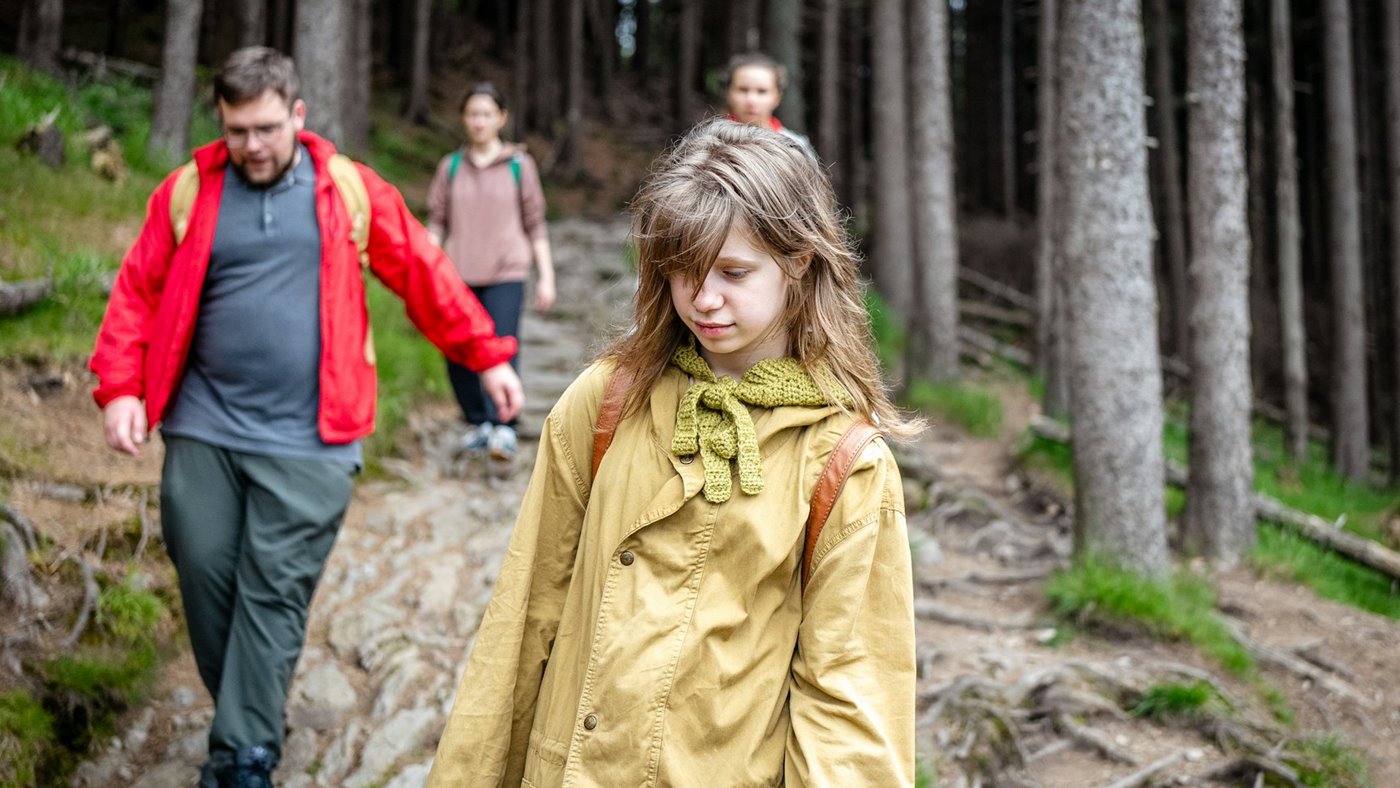
Getting out onto the trails for a day is one of the simplest ways to clear your head and explore the countryside. But even a straightforward walk can become uncomfortable, or occasionally risky, if you find yourself caught out by a sudden downpour or a minor injury. Packing the right day hike essentials is about striking a balance: carrying enough to manage common trail mishaps without overloading your back.
You do not need to buy the most expensive, ultra-lightweight expedition gear to enjoy a day in the hills. A few reliable, well-chosen items will keep you safe and comfortable. This guide focuses on a practical baseline kit list designed for typical day walks in temperate climates.
Key takeaways
- Keep it light: A 15 to 25-litre rucksack is usually plenty for a day out.
- Layer up: Weather in the hills changes quickly; always pack a waterproof shell and a warm mid-layer.
- Navigate reliably: Do not rely solely on a mobile phone; carry a paper map and compass.
- Stay hydrated: Carry at least 1.5 to 2 litres of water and simple, high-energy snacks.
- Check local conditions: Always check the trail status and local weather forecast before leaving home.
1. The pack: choosing the right rucksack
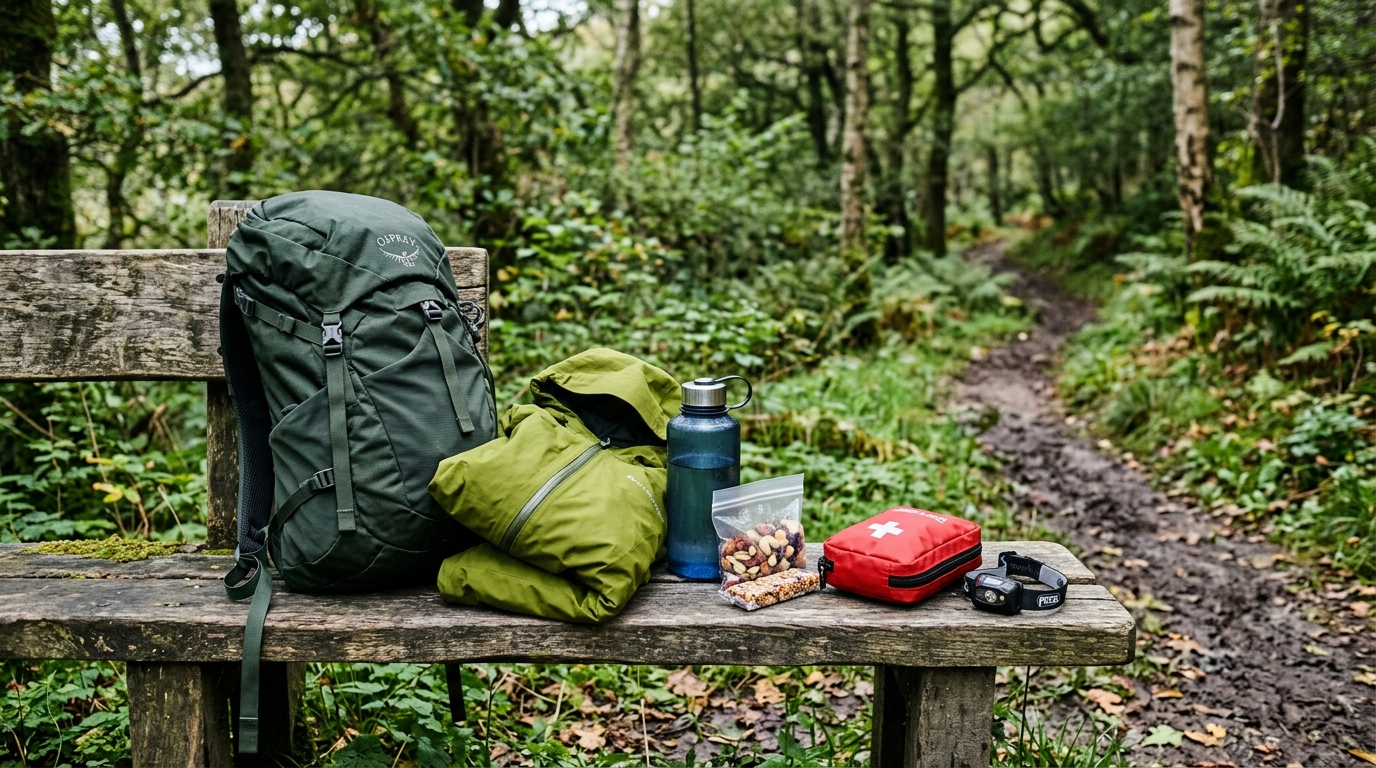
Before looking at what goes inside, you need a comfortable way to carry it. For a standard day hike, a rucksack with a capacity of 15 to 25 litres is the sweet spot. Anything larger encourages you to pack unnecessary items, while anything smaller might not fit your warm layers and waterproofs.
Look for a pack with a simple waist strap to keep the load stable, and side mesh pockets for quick access to water bottles. If you plan to hike in areas prone to wet weather, check if the pack comes with an integrated rain cover, or buy a lightweight dry bag to line the inside of your pack. Keeping your spare clothing dry is essential. For more detailed advice on choosing load-carrying equipment, you can browse our main gear guides.
2. Clothing: layering for changing conditions
The golden rule of hiking clothing is layering. Instead of one heavy jacket, wear several thin layers that you can add or remove as your temperature changes. Even if the forecast predicts clear skies, hills and coastal paths are notorious for sudden changes. Before setting off, it is wise to check the local forecast and understand how to identify a suitable weather window for hikers.
Your clothing system should include:
- Base layer: A moisture-wicking synthetic or merino wool t-shirt. Avoid cotton, as it holds sweat and cools you down quickly when you stop.
- Mid-layer: A lightweight fleece or packable insulated jacket to trap body heat when you stop for lunch.
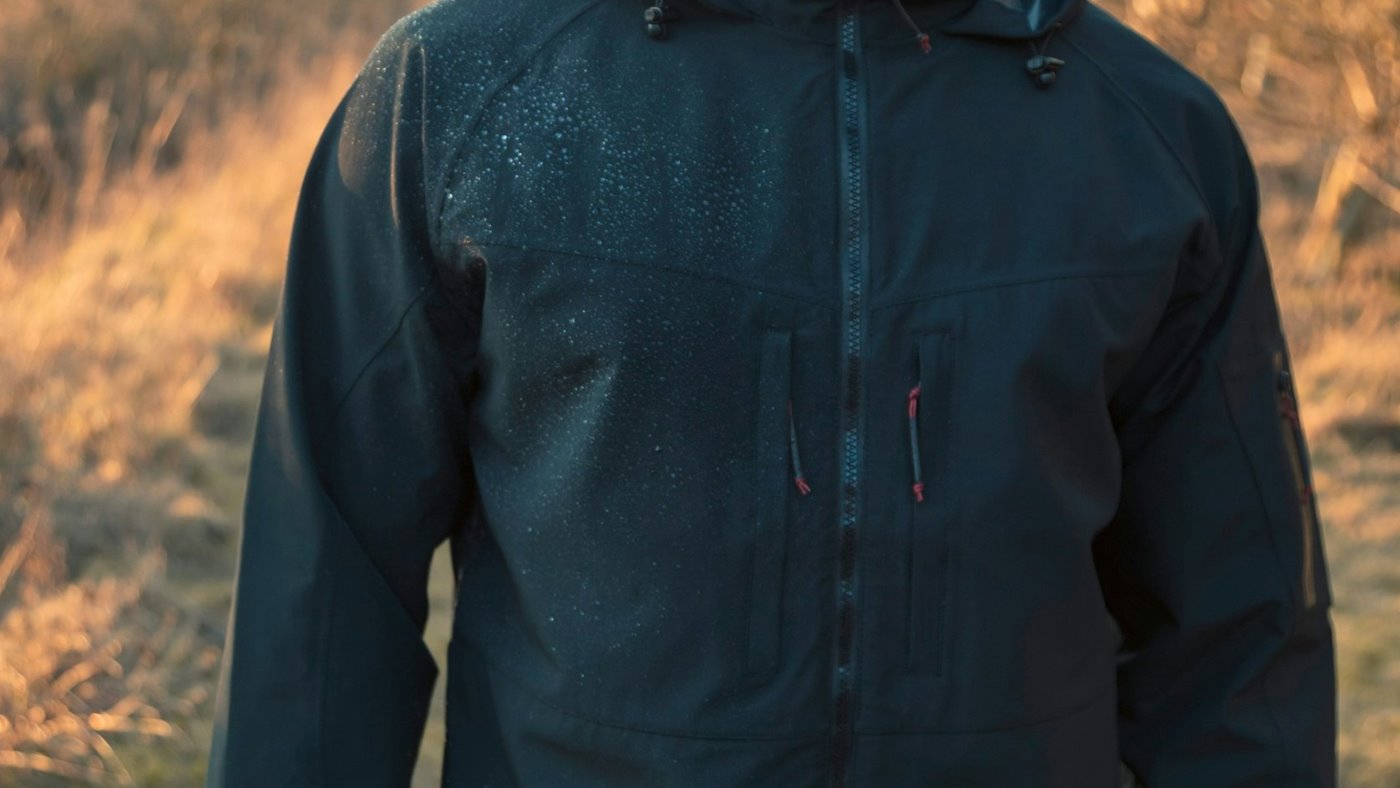
- Outer layer: A breathable, waterproof jacket. Even a cheap waterproof shell is better than a heavy fashion coat that gets soaked through.
- Trousers: Quick-drying hiking trousers. Again, avoid denim jeans, which become heavy, cold, and cause chafing when wet.
3. Navigation and safety basics
It is easy to assume that a smartphone is all you need to find your way. However, cold temperatures drain phone batteries rapidly, and signal coverage in valleys and forests can be non-existent. Developing good route planning and map habits is essential for any walker. Always carry a physical paper map of the area, along with a magnetic compass, and know how to use them.
Alongside navigation, a basic first aid kit is a non-negotiable part of your day hike essentials. You do not need a military-grade trauma kit. A simple pouch containing blister plasters, sterile wipes, a few bandages, ibuprofen, and any personal medication is sufficient. Add a small headtorch with fresh batteries – even if you plan to finish in daylight, a twisted ankle or a navigation error can easily delay you past dusk. For a broader look at staying secure outdoors, read our guide on basic safety principles.
4. Sustenance: water and trail energy
Water and food are not afterthoughts. They decide how clearly you think late in the walk, especially when the return leg is longer or warmer than expected. For most temperate day walks, 1.5 to 2 litres of water is a sensible starting point. In hot weather, exposed terrain, or routes without reliable refill points, carry more and plan where you can safely top up.
Trail food should be simple, familiar and easy to eat without unpacking half your bag. A sandwich, oat bars, nuts, dried fruit and a small salty snack usually work better than complicated cooking plans. Eat before you feel flat. Small amounts every hour keep your pace steadier than one large stop after you are already tired.
Day hike packing checklist
| Area | Practical baseline |
|---|---|
| Carry | 15 to 25 litre day pack, liner or dry bag, water bottles or bladder. |
| Weather | Waterproof shell, warm layer, hat or sun cap depending on season. |
| Navigation | Map, compass, charged phone, offline route and a small power bank. |
| Safety | First aid pouch, headtorch, whistle, personal medication and emergency contact details. |
| Food | Lunch, quick snacks, spare calories for delays and enough water for the route. |
A good day pack should feel ordinary when nothing goes wrong and useful when the day changes. If an item only looks good in a flat-lay photo but does not solve a real trail problem, leave it out.
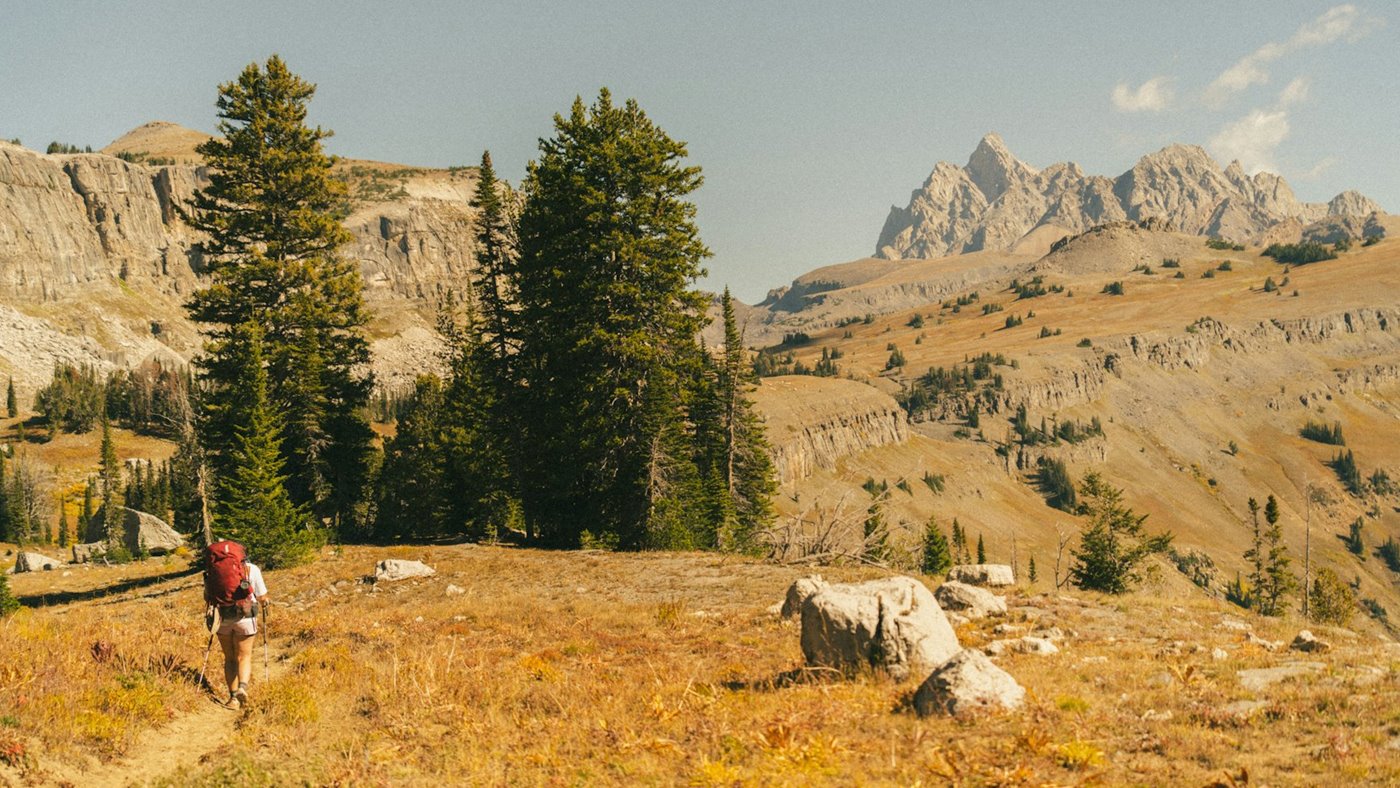
Use terrain, weather and timing before the kit decision.