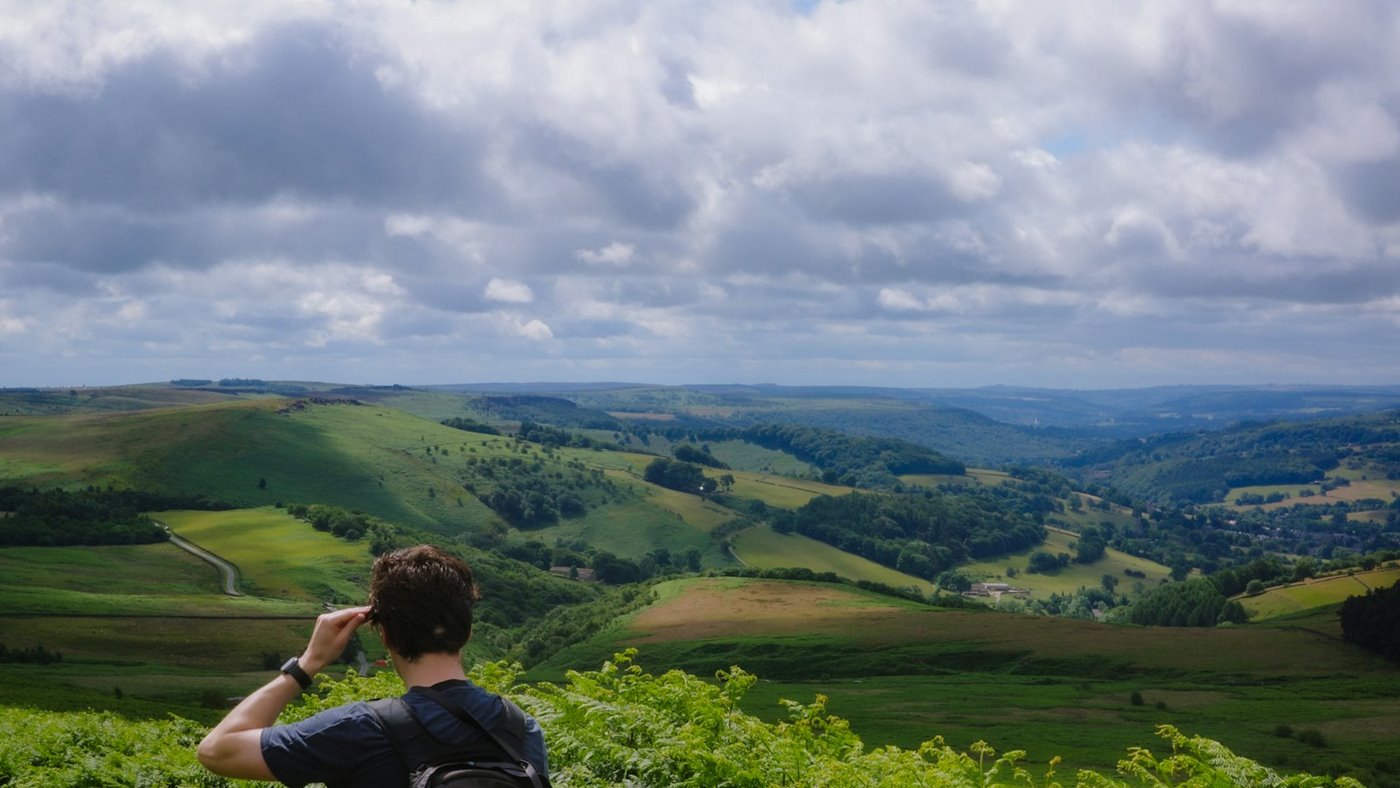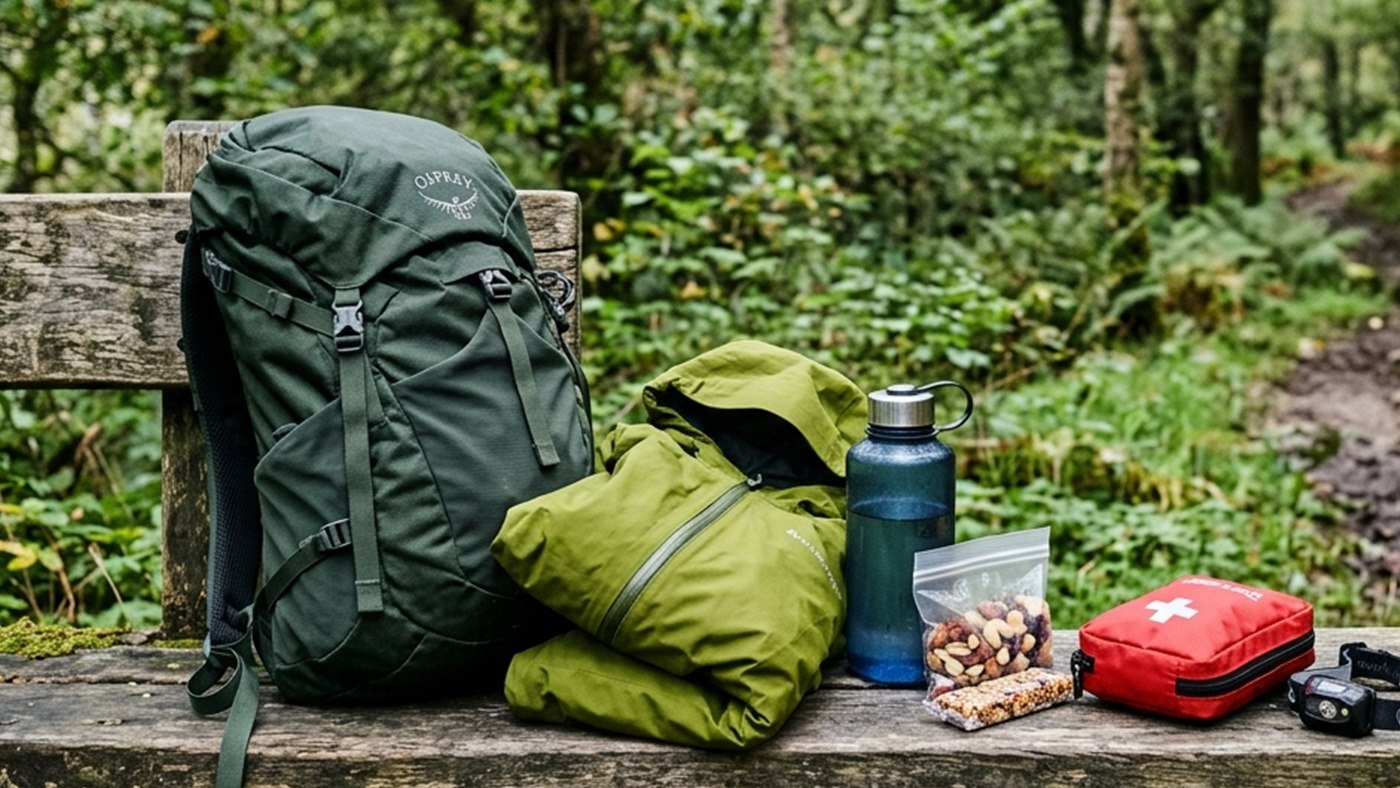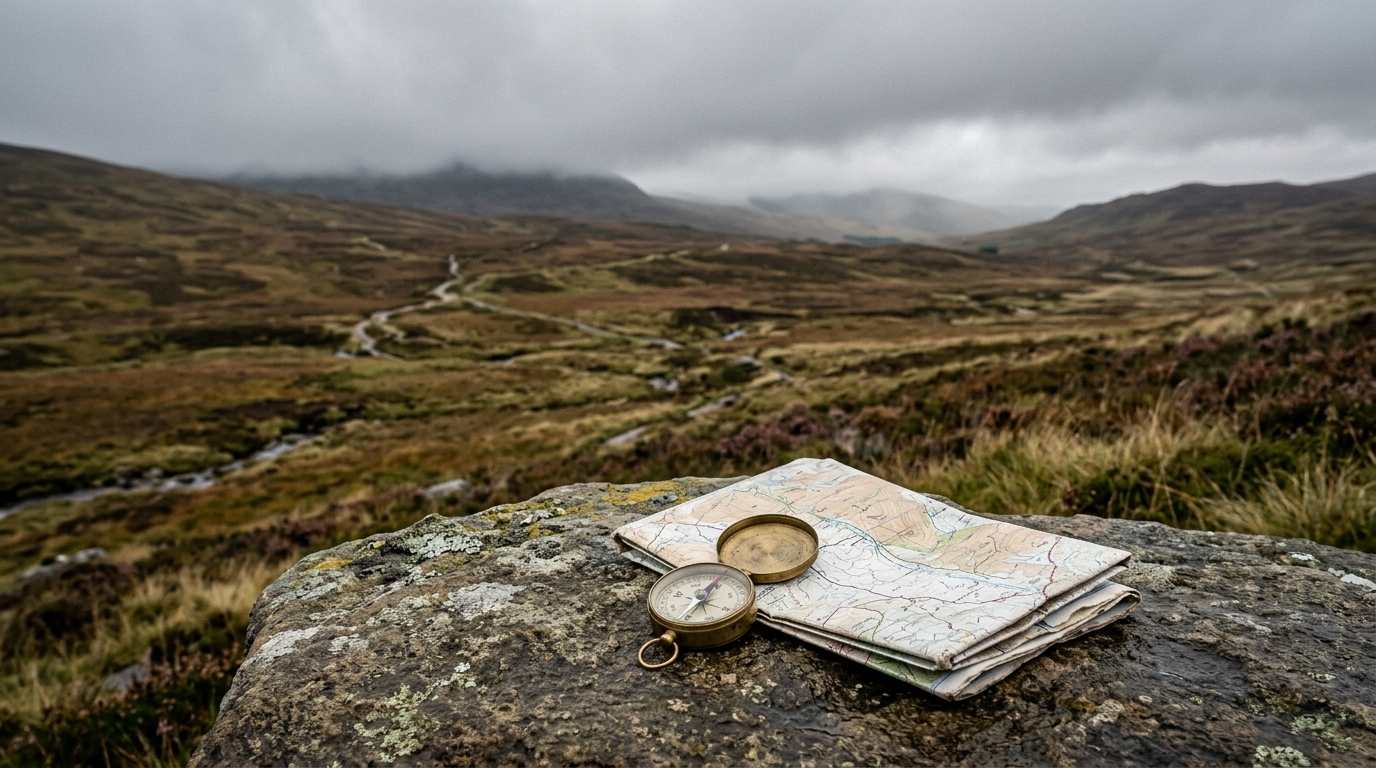
Trekking poles are useful tools, not magic fixes. They can reduce strain on long descents, add stability on loose ground and help set a steady rhythm on climbs. They can also get in the way on narrow paths, rocky scrambles or routes where you need your hands free.
The decision is not whether poles are good or bad. It is whether they solve a problem on the route you are planning.
Where poles help
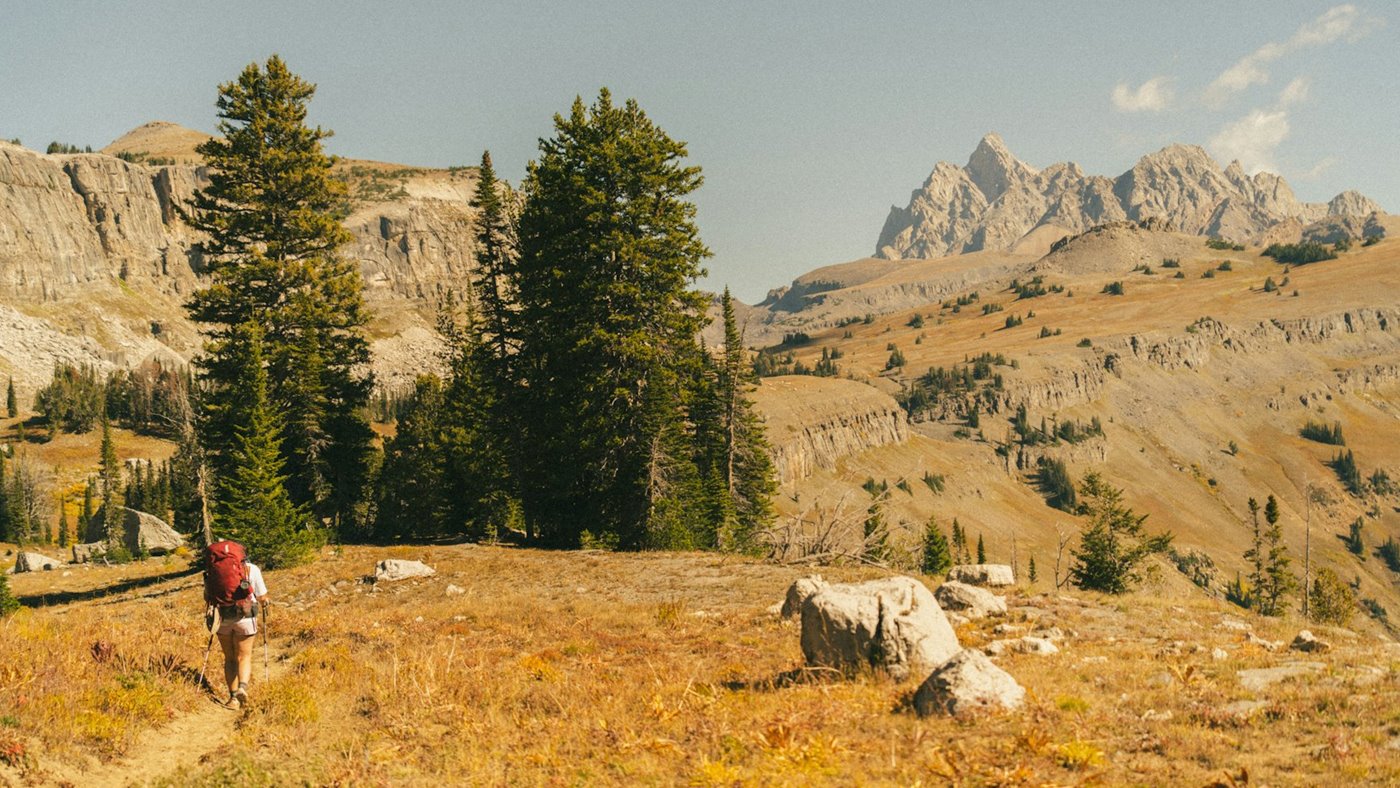
Poles are most helpful on long descents, boggy ground, stream crossings and steep climbs with a heavy pack. They spread effort across the body and give two extra contact points when the surface is uncertain. For multi-day walks, that small reduction in strain can add up.
Where they get in the way
On rocky steps, scrambles, ladder stiles and narrow overgrown paths, poles can become clutter. Learn to collapse or stow them quickly. If a route needs both hands for balance or rock contact, poles should be packed away before the awkward section.
Basic setup
On level ground, set the pole length so your elbow is close to a right angle. Shorten them for sustained climbs and lengthen them slightly for descents. Keep your grip relaxed. White-knuckling the handles wastes energy and can make wrists sore.
| Route condition | Use poles? |
|---|---|
| Long steady descent | Usually useful for knees and rhythm. |
| Wet stepping stones | Useful if placed carefully before stepping. |
| Rocky scramble | Usually pack away before hands are needed. |
| Easy flat path | Optional, mostly for rhythm or training. |
Build the habit
If you buy poles, practise on easy routes before relying on them in poor weather. Good pole use should feel quiet and smooth. If they constantly clatter, snag or distract you, slow down and simplify.
Where poles help most
Poles are most useful on long descents, loose ground, stream crossings and routes where a loaded pack changes balance. They can reduce strain on knees and help set a steady rhythm. They are less useful when the path is narrow, scrambling is required or you need both hands free for gates, maps or rocky steps.
Check fit and storage before buying
Good poles adjust quickly, lock securely and pack small enough for your route. Try the grip with gloves and make sure the wrist strap does not rub. If the poles will spend half the day on your pack, check how they attach before leaving home. Loose poles catch on branches and make simple paths irritating.
Learn without becoming dependent
Poles should add stability, not replace balance. Practise putting them away for short sections so you stay comfortable using hands on rock, gates and narrow paths. On technical ground, poles can become one more thing to manage. Confidence comes from knowing when to use them and when to pack them away.
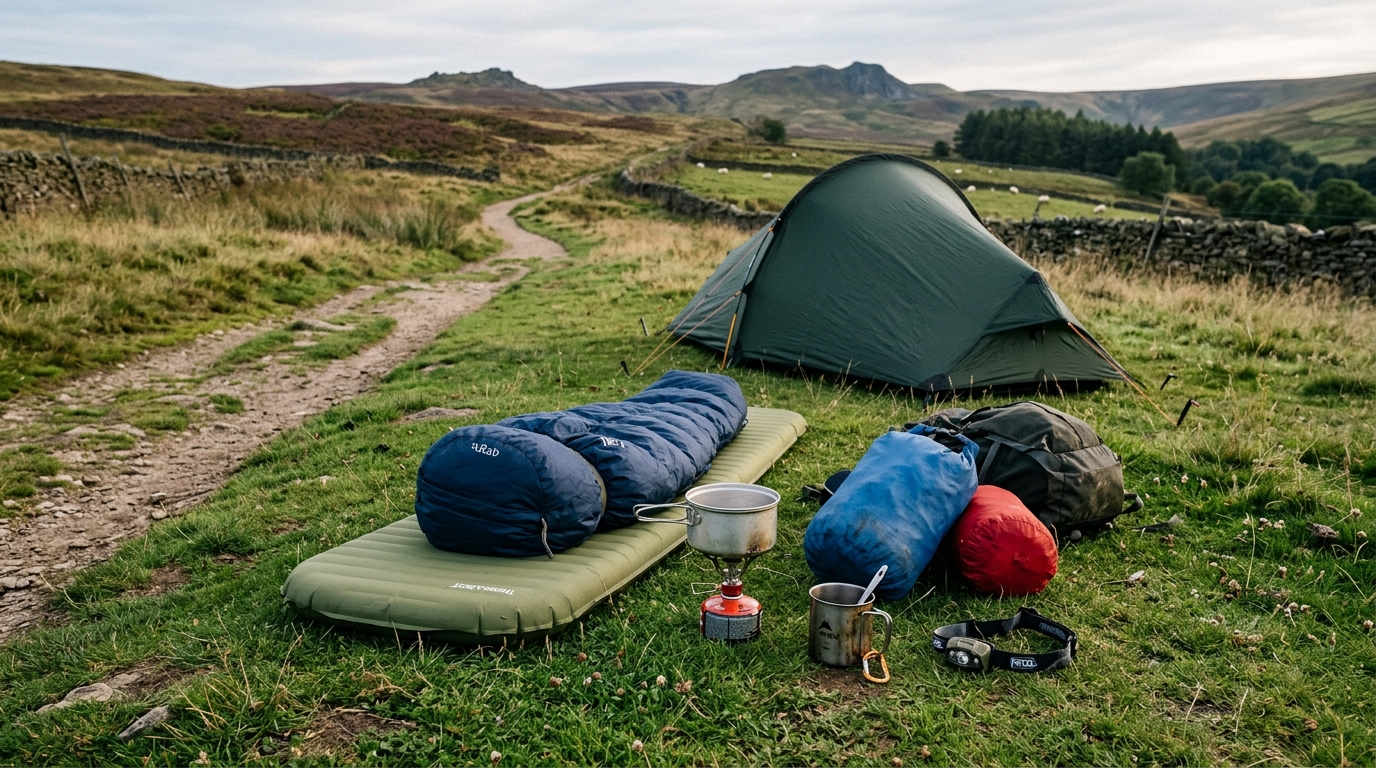
Use terrain, weather and timing before the kit decision.