Most beginner hiking mistakes are not dramatic. They are small planning gaps that join together: starting too late, carrying too little water, trusting one app, wearing the wrong socks or choosing a route that is slightly too ambitious. The fix is rarely expensive. It is usually a better habit.
Use this guide as a pre-walk check before your first few longer routes.
Choosing too much route
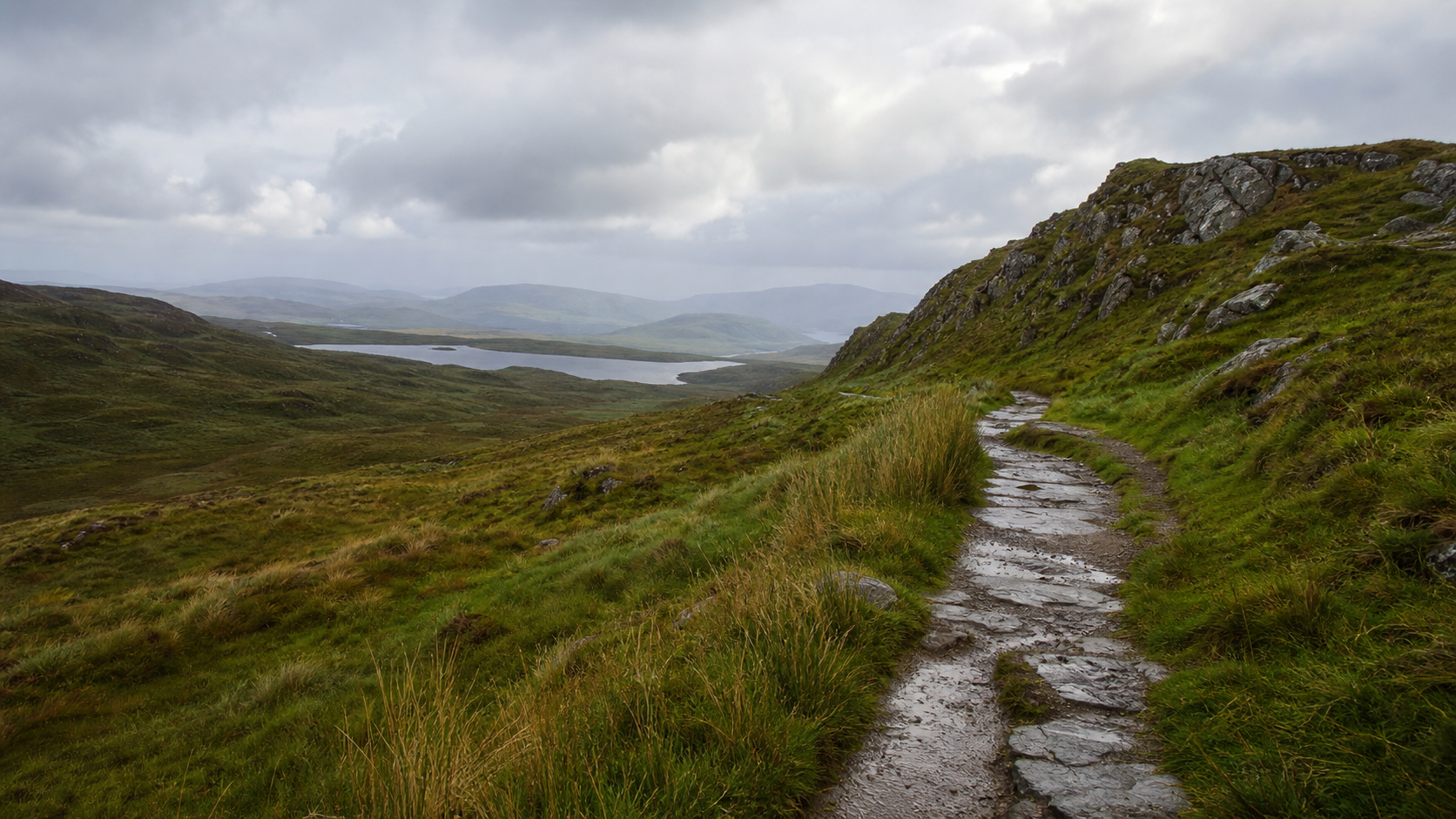
Distance, ascent and terrain should be judged together. A short steep route can be harder than a longer flat one. If you are unsure, choose the easier walk and finish with spare energy.
Reading the wrong weather
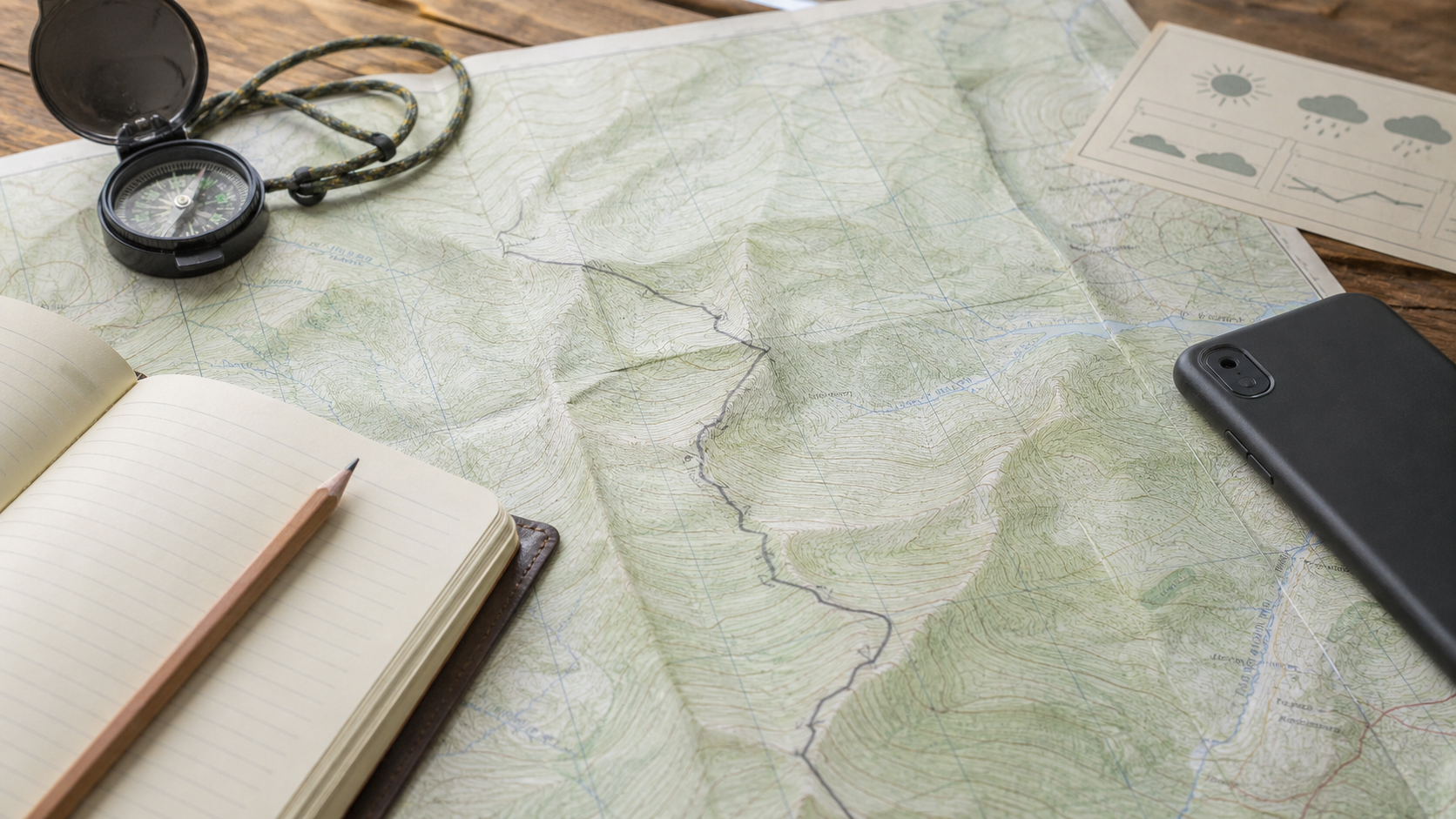
Valley weather and hill weather can be different. Check hourly wind, rain, visibility and temperature, not just the daily icon. If the forecast makes you nervous, simplify the route before leaving.
Packing for hope
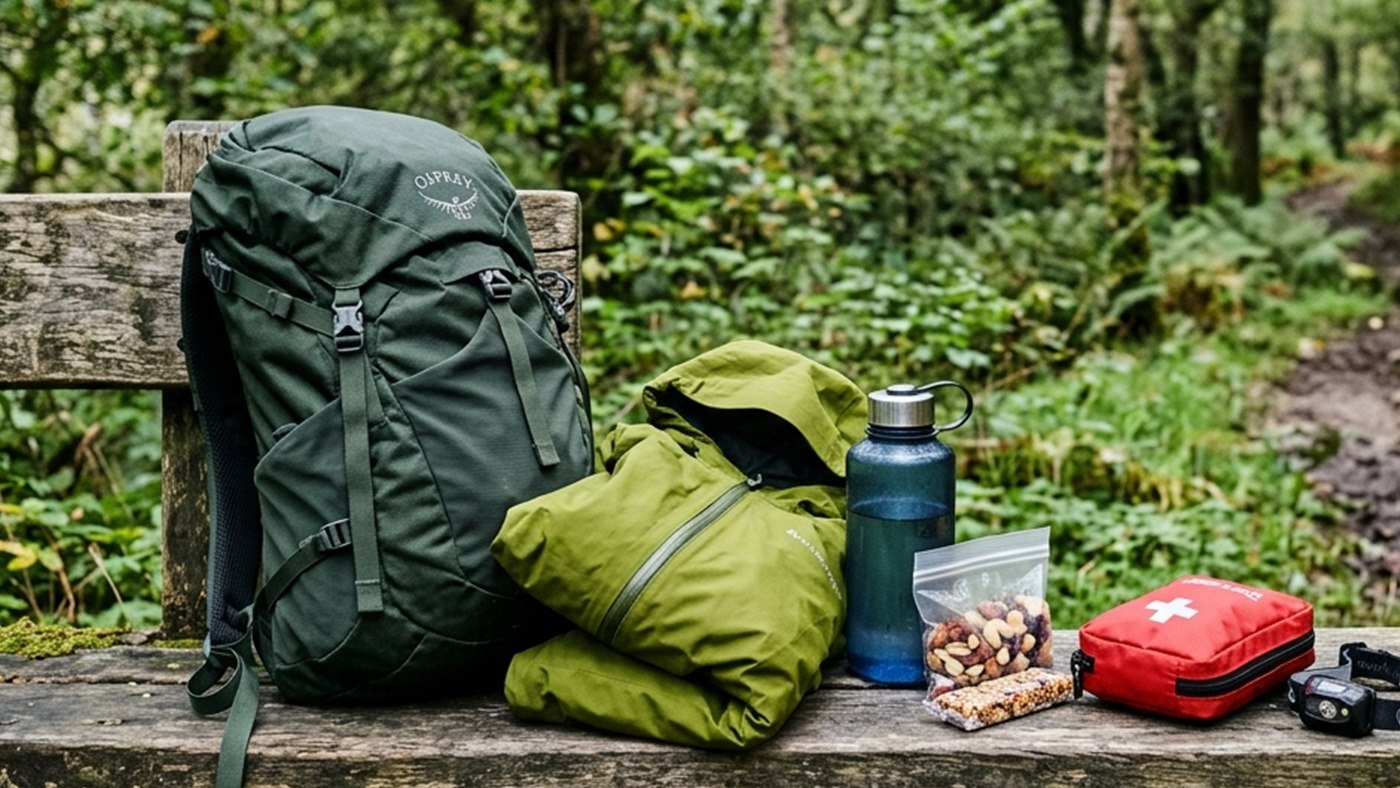
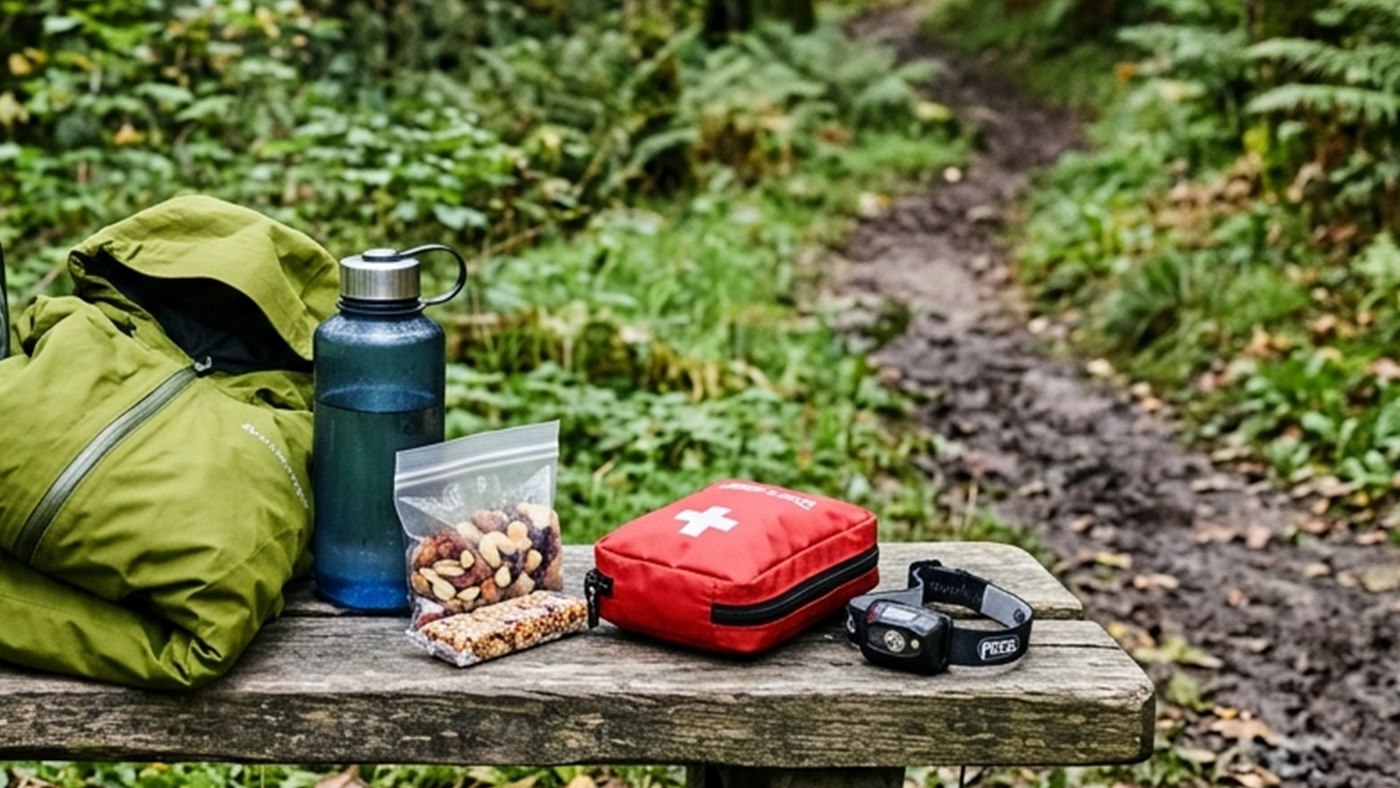
Hope is not a waterproof. Carry the small items that cover common problems: rain shell, warm layer, water, food, headtorch, first aid and navigation backup. You do not need a huge pack, but you do need a margin.
| Mistake | Better habit |
|---|---|
| Following a route line blindly. | Check contours, terrain and exits first. |
| Leaving late. | Plan around daylight and turnaround time. |
| Ignoring hot spots. | Stop early and fix socks or lacing. |
| Eating only at lunch. | Snack regularly on longer walks. |
Starting too fast
The first hour should feel controlled. If the route is long or steep, save energy for navigation, weather changes and the return. Walking well is not only fitness. It is pacing, judgement and knowing when to make the day simpler.
Most bad days are a stack of small errors
Beginner problems rarely come from one dramatic mistake. They come from leaving late, carrying too little water, ignoring a weather change and choosing a route with no easy exit. Any one of those can be manageable. Together they make the walk feel harder than it should. A simple pre-walk check prevents the stack from building before you notice it.
Make early routes slightly boring
Your first routes should leave room for learning. Pick paths with clear navigation, phone signal where possible, transport options and a realistic finish time. Save remote ridges, complex junctions and poor-weather experiments for later. Confidence built on easy wins is more useful than one difficult day that teaches you only that hiking feels stressful.
Write a short walk plan
A beginner does not need a formal expedition document, but a short note helps: route name, start time, expected finish, parking point, weather concern and the person you will message when finished. The act of writing it exposes weak assumptions. If you cannot describe the route simply, it may not be the right route yet.

Use terrain, weather and timing before the kit decision.