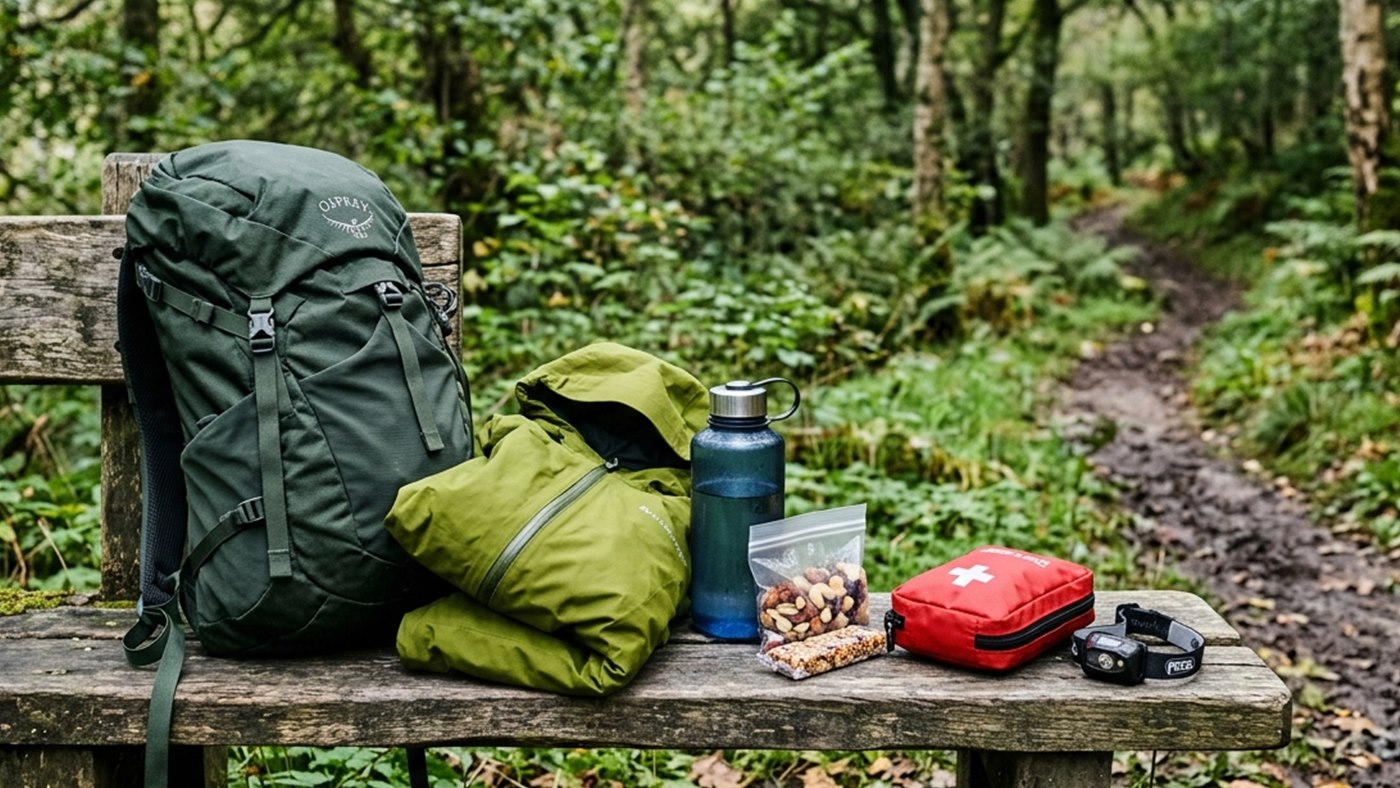
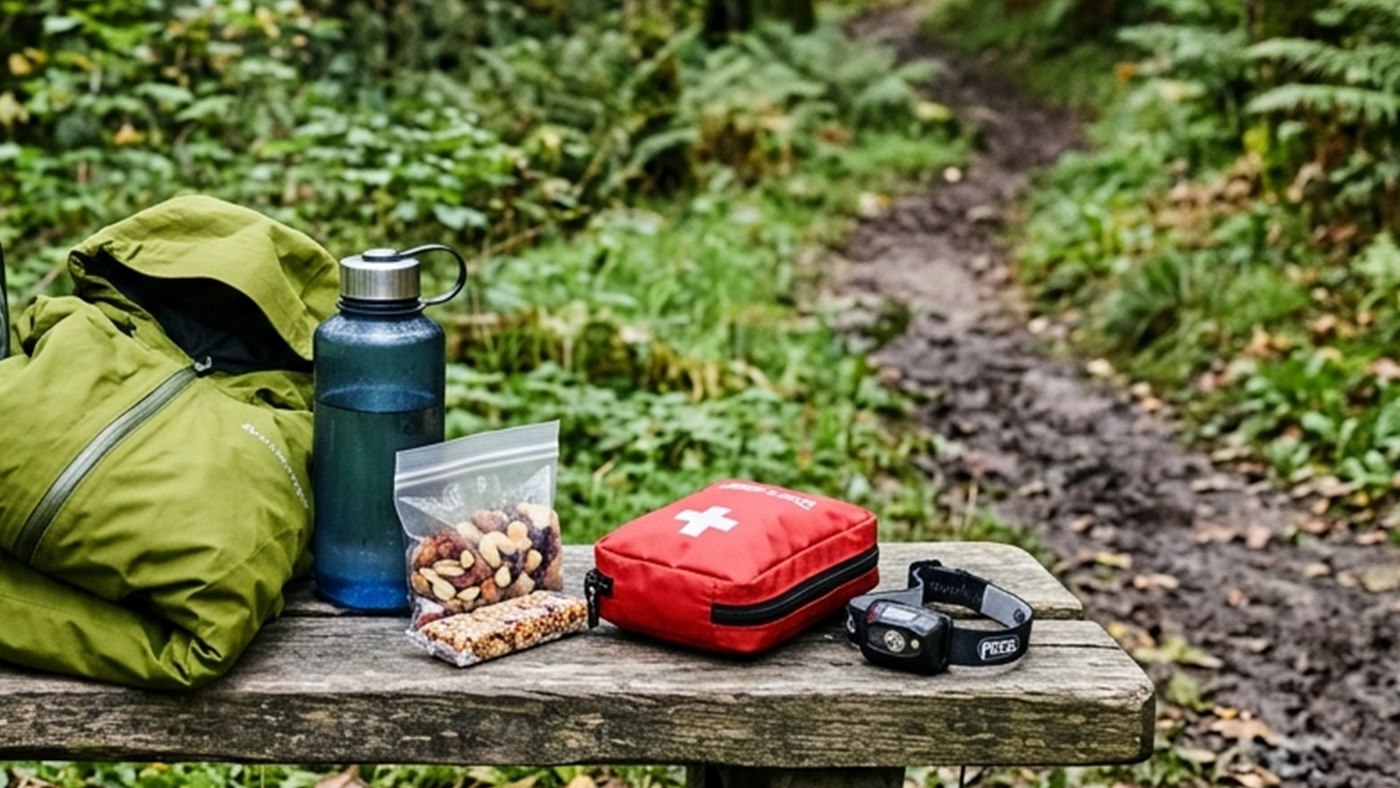
Starting hiking does not require a full wardrobe of specialist equipment. It does require a few reliable items that protect you from the most common problems: wet weather, cold stops, poor footwear, dehydration and navigation mistakes. A budget works best when it is spent in order of risk.
This guide is not about buying the cheapest possible kit. It is about spending first where failure would matter most.
Spend first on safety basics
Footwear that fits, a waterproof layer, a warm layer, a small first aid kit, a map solution and a headtorch come before nice extras. These items protect the walk when weather changes or timing slips.
What can wait
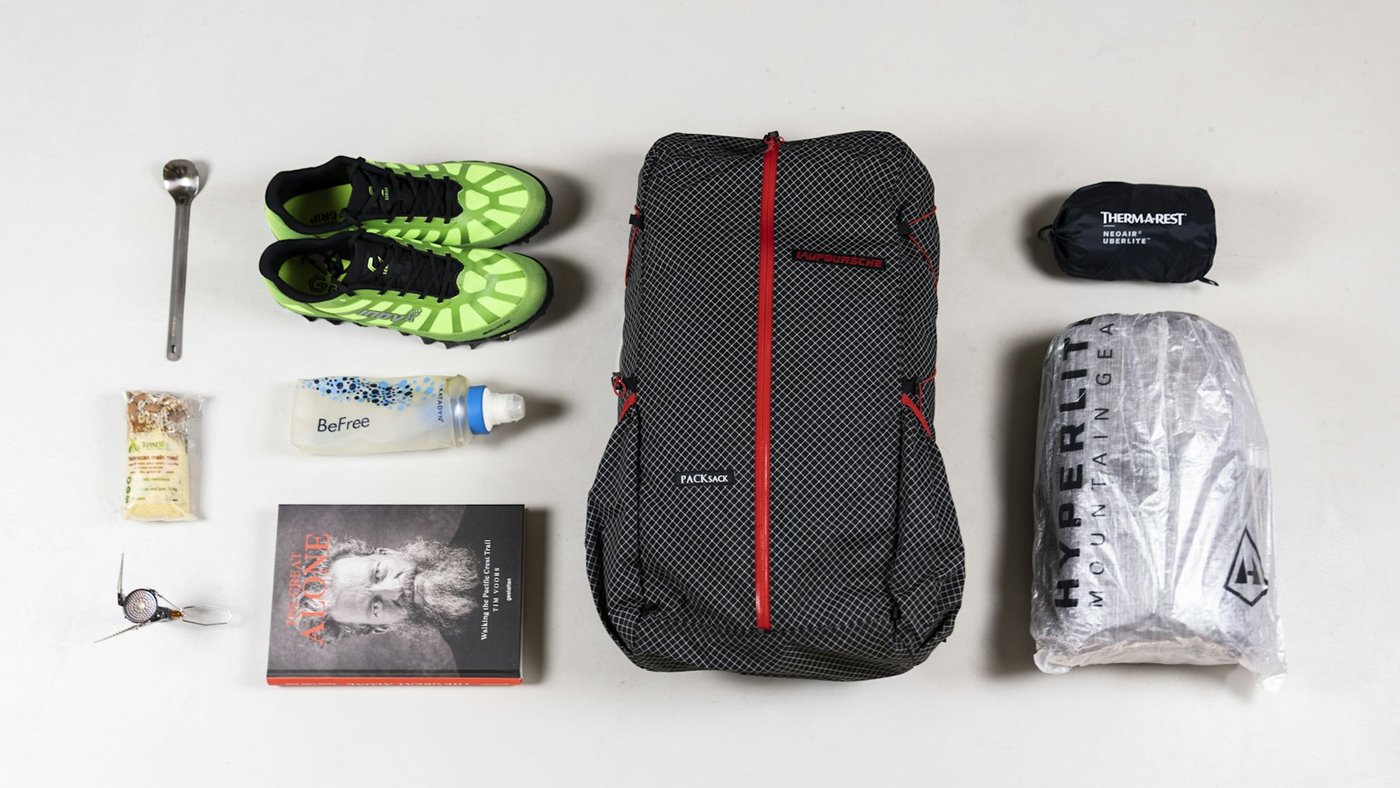
Premium packs, specialist clothing, titanium cooking kit and expensive insulated jackets can wait until you know what kind of walking you actually enjoy. Borrowing or using basic versions for early trips is sensible.
| Priority | Buy or solve first |
|---|---|
| 1 | Comfortable footwear and suitable socks. |
| 2 | Waterproof shell and warm layer. |
| 3 | Navigation, headtorch and small safety kit. |
| 4 | Pack comfort and weather organisation. |
| 5 | Weight-saving upgrades after repeated use. |
Buying used kit
Used packs, fleeces and some clothing can be good value. Be cautious with waterproof jackets, shoes and safety-critical items because wear is not always obvious. Check zips, seams, delamination, sole wear and odour before trusting used gear on a wet day.
Upgrade from experience
After five or six walks, your upgrade list becomes clearer. You will know whether your feet hurt, your pack rubs, your waterproof sweats, or your hands get cold. Let real use decide the next purchase.
Upgrade from discomfort, not advertising
The best budget list comes from problems you have actually felt on walks. If your feet blister, footwear and socks matter first. If you get cold during stops, insulation matters before a lighter stove. If rain soaks through, the waterproof layer moves up the list. Avoid buying several cheap versions of the same item while postponing the one piece that would solve the real problem.
Borrow or rent specialist kit first
Items such as trekking poles, large packs, winter insulation and camp cooking systems are easy to buy too early. Borrowing, renting or trying a friend’s kit for one route teaches more than product pages. When you do buy, choose durable basics in neutral sizes and shapes. They are easier to resell or keep using if your walking style changes.
Avoid the false economy list
Cheap kit is not automatically bad, but fragile waterproofs, uncomfortable packs and poor socks can cost more when they need replacing after a few walks. Spend carefully on items that affect safety and comfort every time: feet, rain protection, warmth and carrying system. Save on accessories that do not change the day if they fail.
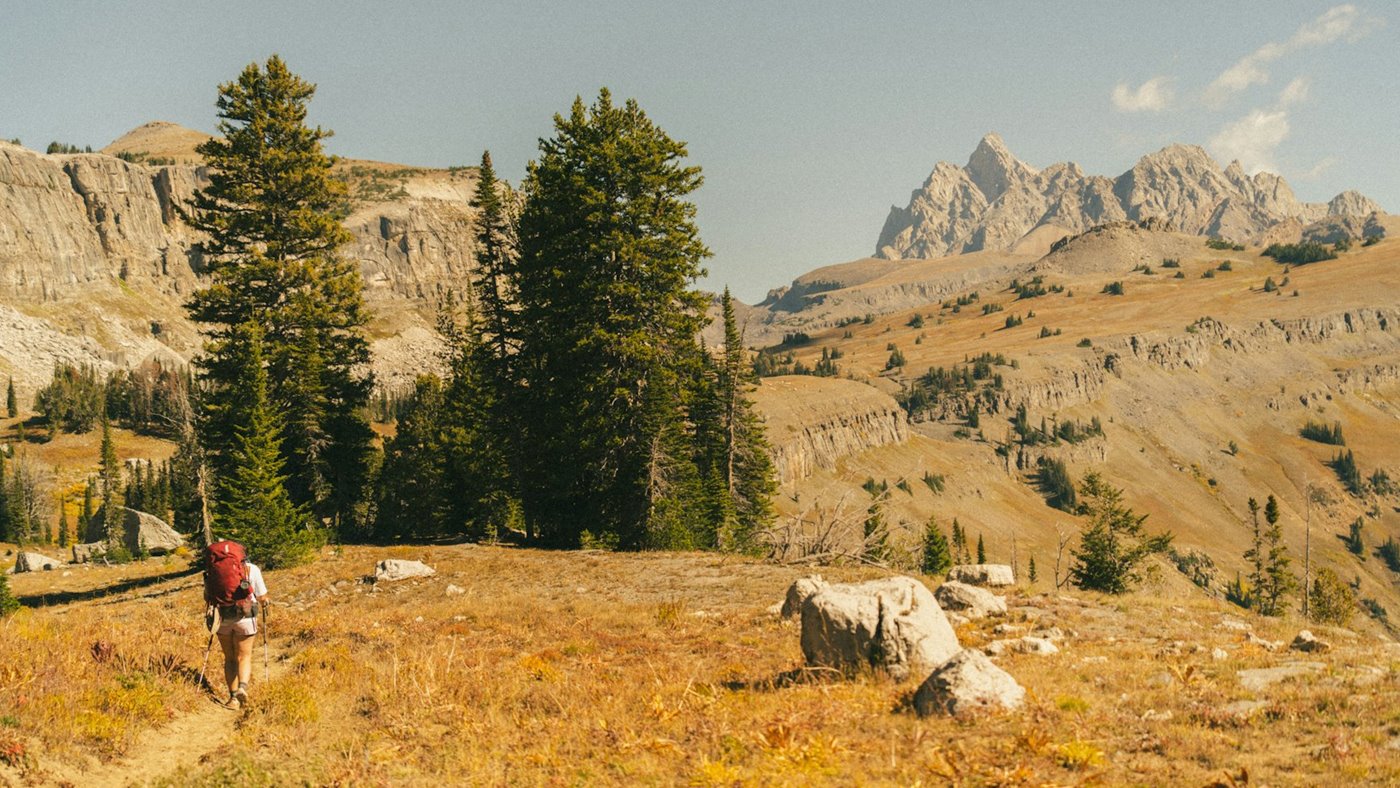

Use terrain, weather and timing before the kit decision.