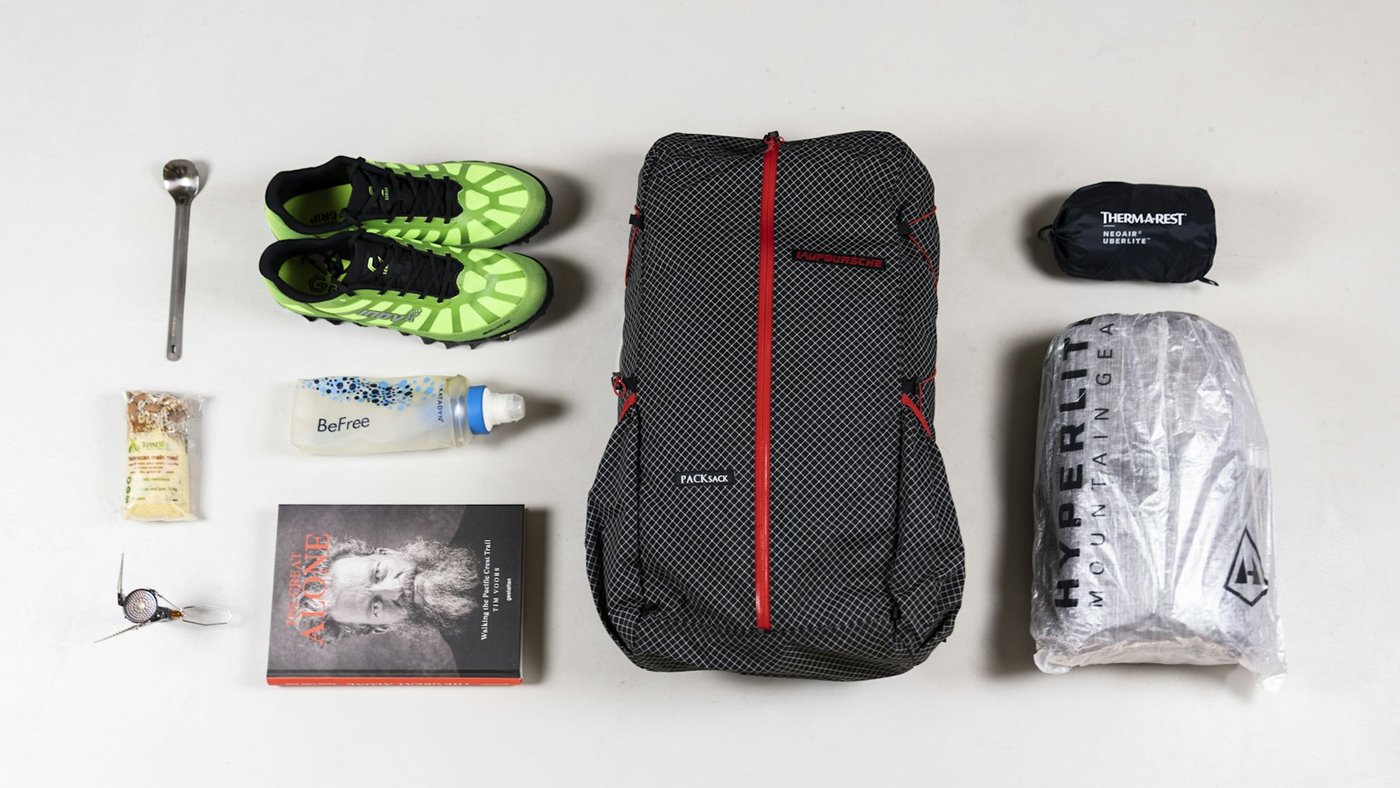
The best day hiking backpack is rarely the largest one you can comfortably carry. A pack that is too small forces you to strap loose items outside, while an oversized pack encourages you to fill empty space with kit you do not need. For most walkers, the right size comes from the route, the weather and how much safety margin you want.
This guide focuses on capacity, access and fit rather than brand names. Use it before comparing individual packs so you know what problem the bag actually needs to solve.
Capacity by walk length
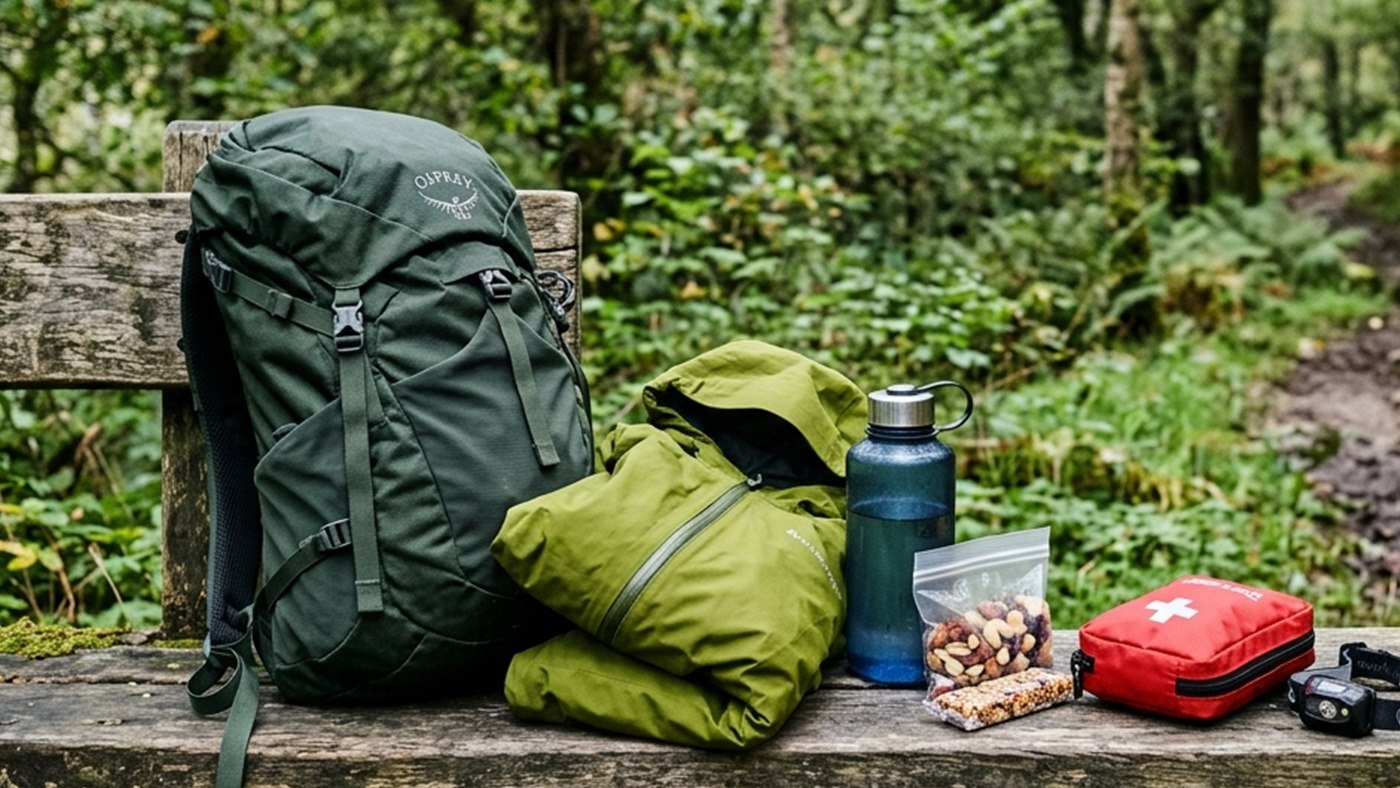
For short summer walks close to facilities, a 12 to 18 litre pack may be enough. It should hold water, a light layer, snacks, phone, small first aid kit and rain shell. For normal hill days, 20 to 28 litres is a more useful range because it leaves space for insulation, waterproof trousers, gloves, map, headtorch and extra food.
Winter day walks, exposed ridges and routes with children often need 28 to 35 litres. The extra space is not for luxury. It is for bulkier layers, more food, a flask, spare gloves and a stronger emergency margin.
| Pack size | Best use | Watch out for |
|---|---|---|
| 12 to 18 litres | Short, low-level walks in stable weather. | Little room for warm layers or bad-weather changes. |
| 20 to 28 litres | Most all-day walks and flexible hill routes. | Needs tidy packing to avoid overloading. |
| 28 to 35 litres | Winter, family walks or remote routes. | Can become heavy if you fill the empty space. |
Features that matter
Good access matters more than clever pockets. Look for a main compartment that opens easily, side pockets that hold your bottles securely, a place for wet waterproofs and a small pocket for items you need quickly. A simple waist strap helps stabilise the bag, but a heavily padded hip belt is unnecessary for most day loads.
Ventilated back panels can feel pleasant in warm weather, though they sometimes push weight farther from the spine. If you walk on rough ground, load stability may matter more than maximum airflow.
Fit before fabric
A day pack should sit close to the back without pulling on the shoulders. Try it with weight inside, not empty. Adjust the shoulder straps, sternum strap and waist strap before judging comfort. If the pack shifts every time you step down, it will become irritating on uneven ground.
Common mistakes
- Buying a large pack to cover every possible walk, then carrying too much.
- Choosing ultralight fabric that feels fragile for rocky or wet use.
- Forgetting that winter layers take more space than summer kit.
- Ignoring bottle access and stopping too rarely to drink.
A good day pack should disappear into the walk. It keeps the few important things dry, balanced and easy to reach.
Use terrain, weather and timing before the kit decision.