A waterproof jacket for hill walking has one job before every other feature: it must keep weather off while still letting you move and navigate. The mistake is treating all waterproof shells as interchangeable. A jacket that works for a short park walk may become noisy, sweaty or awkward when you are climbing in wind and rain.
Instead of starting with price, start with the conditions you expect to walk in. Wet woodland, windy ridges and cold winter routes ask different things from a shell.
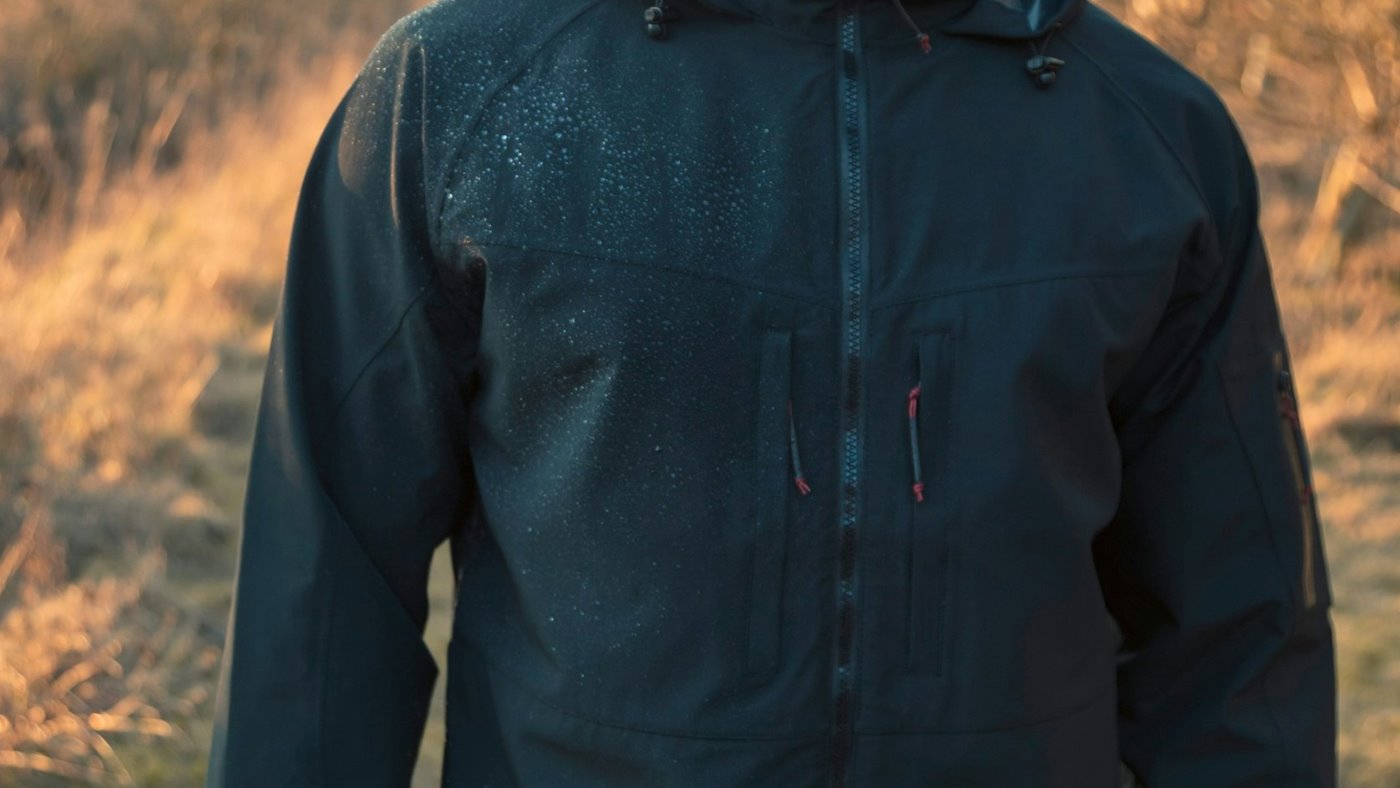
Waterproofing and breathability
Most modern waterproof jackets use a membrane or coating to block rain. Breathability helps sweat escape, but no fabric can remove moisture as quickly as you produce it during a steep climb. Venting, pacing and layering still matter.
For casual low-level use, a basic waterproof shell can be enough. For regular hill walking, look for a jacket that balances a reliable face fabric, taped seams and a hood that stays put in wind.
Hood and collar fit
The hood is often the difference between a useful jacket and a frustrating one. It should move with your head, shield your face without blocking vision and adjust quickly with cold hands. A high collar helps in driving rain, but it should not rub your chin for hours.
Pockets, cuffs and length
Chest or raised hand pockets are useful when wearing a pack hip belt. Cuffs should seal around gloves without bunching. A slightly longer cut protects the lower back when you bend or sit, but too much length can restrict high steps.
| Jacket type | Best for | Tradeoff |
|---|---|---|
| Lightweight shell | Fast summer walks and emergency rain cover. | Less durable and often fewer adjustments. |
| All-round hill shell | Regular wet walks, mixed seasons and exposed routes. | Costs more and weighs slightly more. |
| Heavy mountain shell | Winter, long storms and rough use. | Can feel too warm and stiff for easy walks. |
Which type suits you
If you walk once a month in lowland areas, prioritise comfort and simple packing. If you regularly plan hill routes in unsettled weather, spend more attention on hood stability, durable fabric and pockets that work with a pack. The best jacket is the one you will actually carry, not the one with the most impressive specification sheet.
Try the jacket with a pack
A waterproof jacket can feel right in a shop and wrong under shoulder straps. Put on the pack you actually use, tighten the hip belt and move your arms as if using poles or checking a map. Watch for hem lift, tight shoulders and pockets blocked by straps. Those small annoyances become bigger during a wet climb.
Maintenance counts as performance
Waterproof shells need cleaning and occasional reproofing to keep the face fabric shedding rain. When the outside wets out, the jacket can feel clammy even if the membrane still blocks water. Follow the care label, avoid household detergents and check seam tape each season. A well-maintained mid-range jacket can outperform an expensive one that has been neglected.
Use terrain, weather and timing before the kit decision.