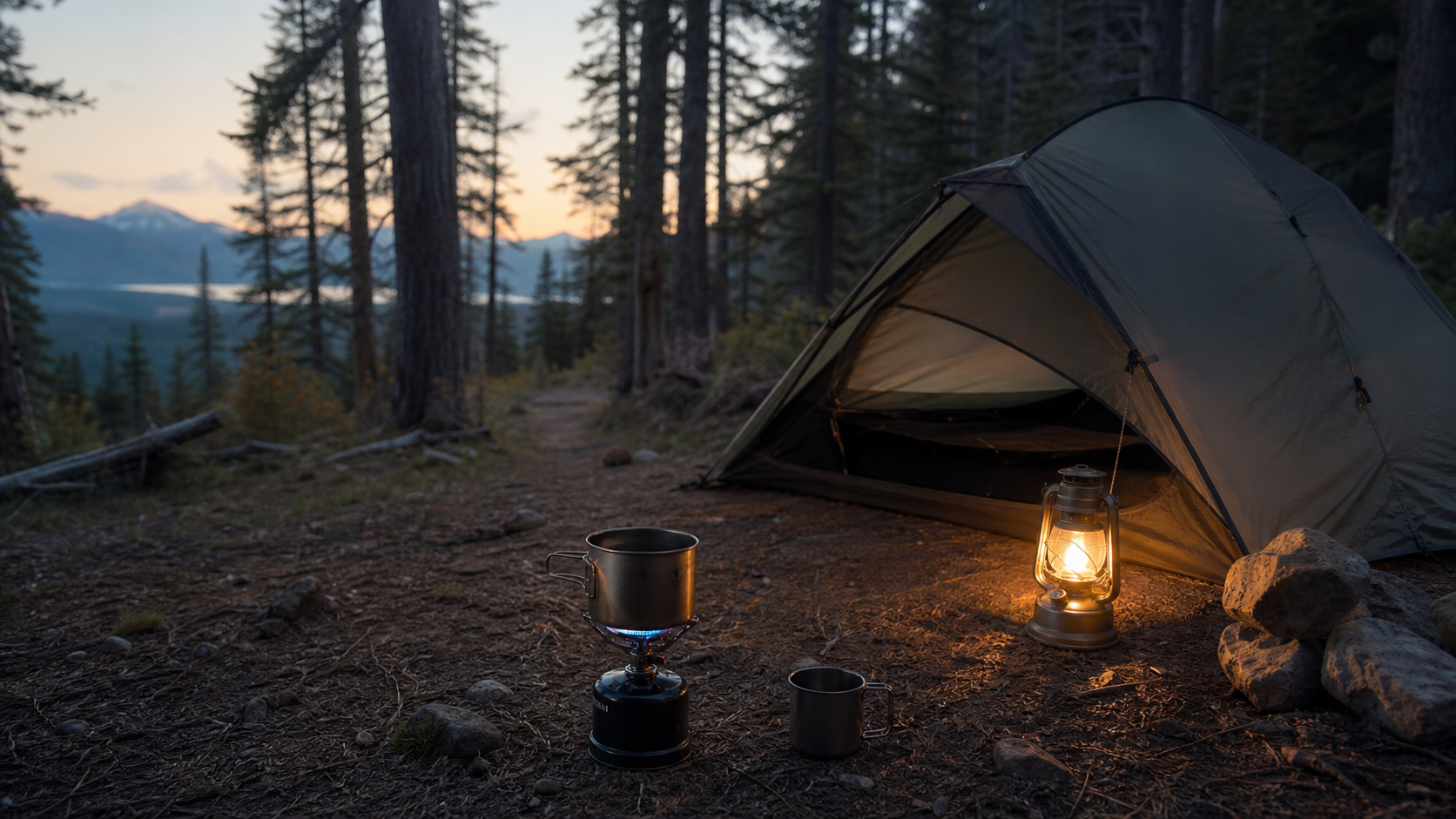
Camp cooking looks simple until you are hungry, cold and trying to boil water in wind. The stove and fuel you choose should match the meals you actually plan to cook, the season and how easy it is to resupply. For a first overnight hike, reliability and simplicity matter more than clever minimalism.
This guide compares common fuel choices for walkers who want hot drinks and simple meals, not complicated campsite cooking.
Gas canister stoves
Gas canister stoves are the easiest starting point for most hikers. They are quick, adjustable and familiar. The main checks are canister availability, stability and performance in cold conditions. A small stove screwed directly onto a canister is compact but can be top-heavy with a full pot.
Alcohol and solid fuel
Alcohol stoves are quiet and simple, but slower and less controllable. Solid fuel tablets are light and useful as backups, though they can be messy and affected by wind. These systems suit experienced walkers who understand their limitations rather than beginners trying to cook quickly in poor weather.
Wind and efficiency
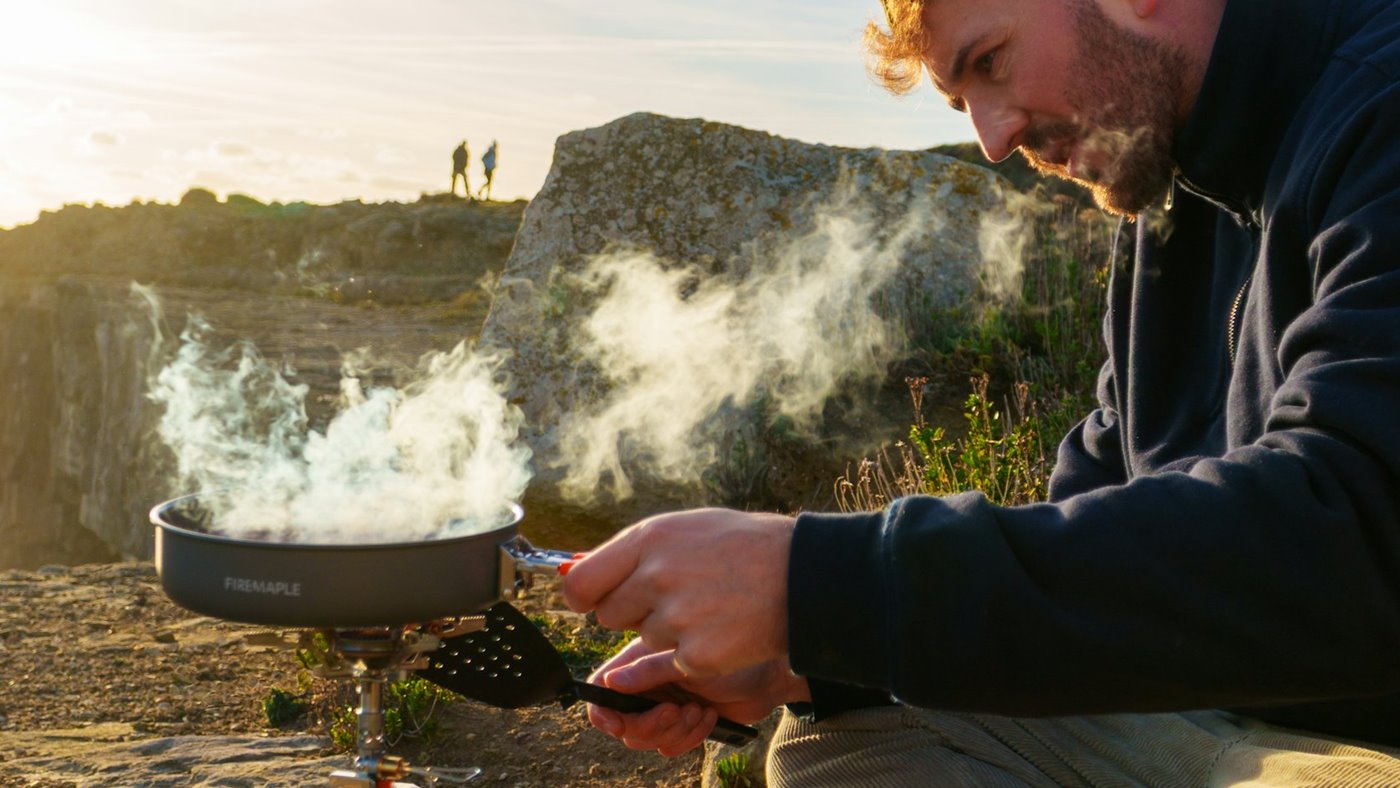
Wind makes every stove worse. Use natural shelter, keep the stove level and avoid exposed edges. Be careful with windscreens around gas canisters because trapped heat can become dangerous. Integrated stove systems are efficient for boiling water but less flexible for real cooking.
| Fuel type | Good for | Limit |
|---|---|---|
| Gas canister | Most beginner camps and quick boiling. | Cold performance and canister waste. |
| Alcohol | Quiet simple cooking in mild weather. | Slow boil times and poor wind control. |
| Solid fuel | Emergency backup or very light setups. | Messy, slow and limited control. |
Safe cooking habits
Cook outside the tent whenever possible. Keep water nearby, check the stove is stable and never leave a flame unattended. A simple meal that boils in one pot is usually the right choice after a long walking day.
Check fuel supply before travelling
Fuel choice is partly a logistics decision. Gas canisters are common in many outdoor towns but harder to carry on flights and not always available near remote trailheads. Alcohol and solid fuel may be easier to source in some places, but they cook slowly and need more patience. Before choosing a stove, check where you can legally buy and carry the fuel for the actual trip.
Practise one meal at home
A first camp is not the place to discover that your pot is unstable or your meal needs constant stirring. Practise boiling water, lighting the stove in wind and packing the used kit cleanly. A simple routine reduces faff at camp and helps you notice missing items before the walk, when fixing the mistake is still easy.
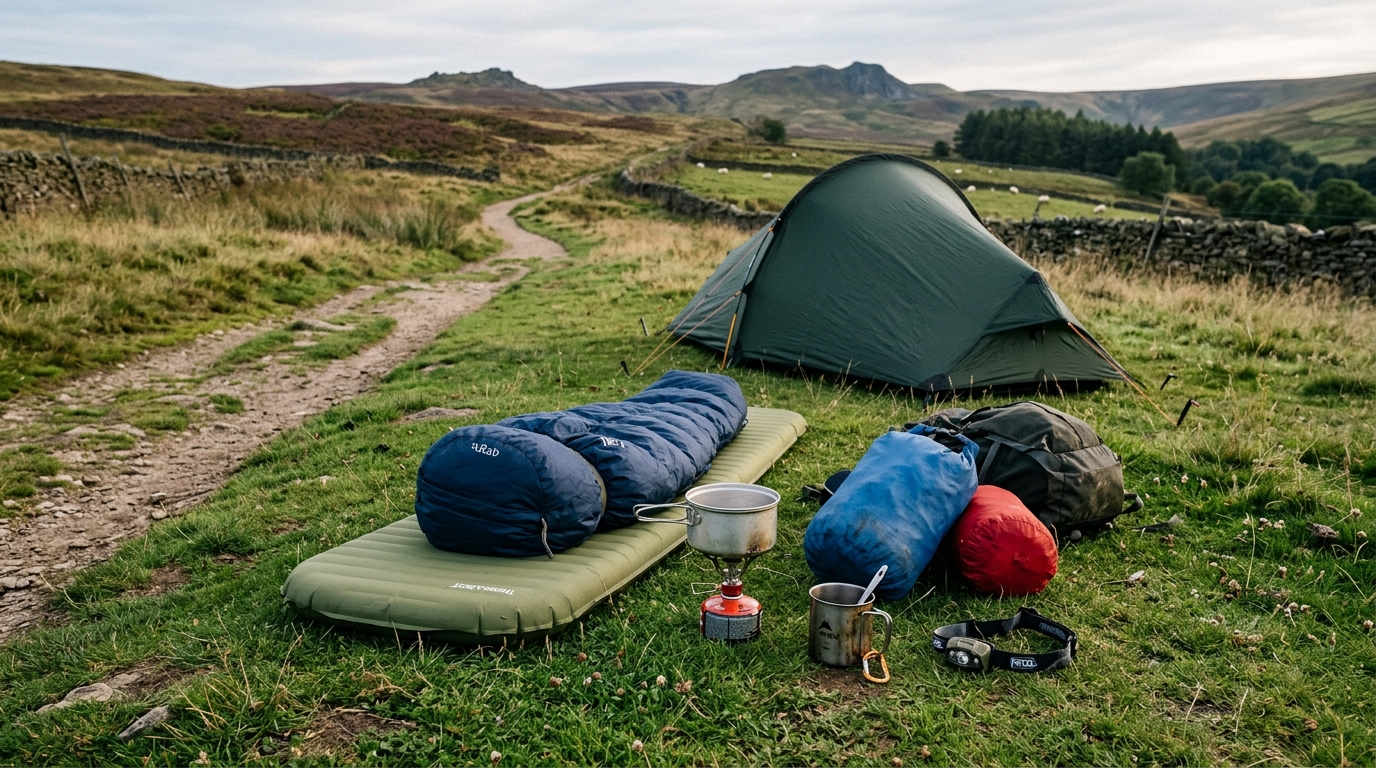
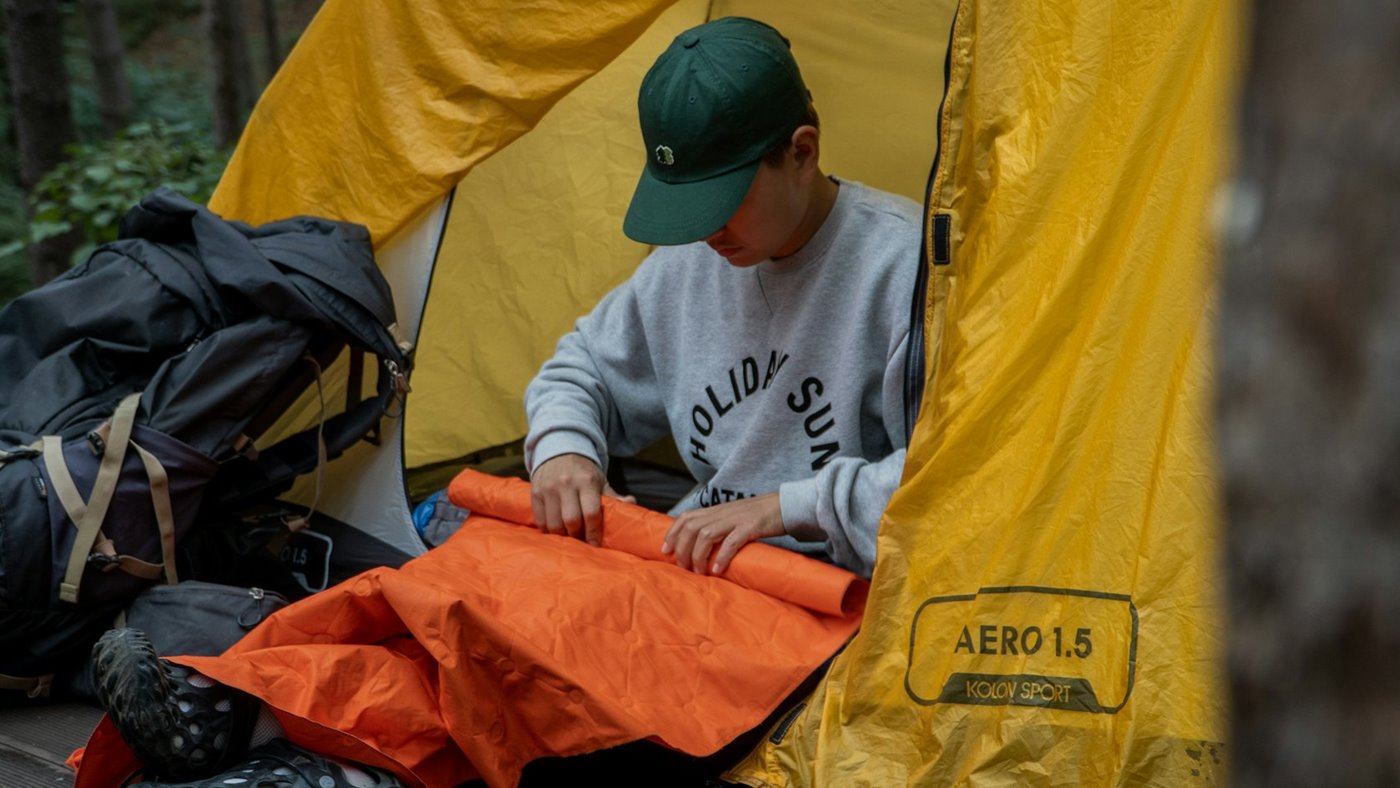
Use terrain, weather and timing before the kit decision.