Carrying a heavy rucksack up a steep incline quickly dampens the joy of a multi-day hike. Yet, the alternative – shivering through the night on a paper-thin foam mat – is equally unappealing. Achieving comfortable lightweight camping for hikers does not require sacrificing a good night’s sleep. Instead, it is about making smarter choices with the gear you carry and focusing on how you use it, rather than simply packing more items.
By understanding how your gear works together as a system, you can shed kilograms from your back while actually improving your comfort at camp. This guide looks at practical ways to lighten your load without spending a fortune or freezing in the wilderness.
Key takeaways
- System synergy: Treat your sleeping mat, sleeping bag, and clothing as one single warmth system.
- Site selection: Use natural terrain features to block wind and rain, reducing the need for a heavy, bombproof tent.
- Multi-use items: Pack gear that serves at least two purposes to save weight and space.
- Focus on insulation: Prioritise a high-quality insulated sleeping mat over a thicker sleeping bag.
Rethinking the sleep system
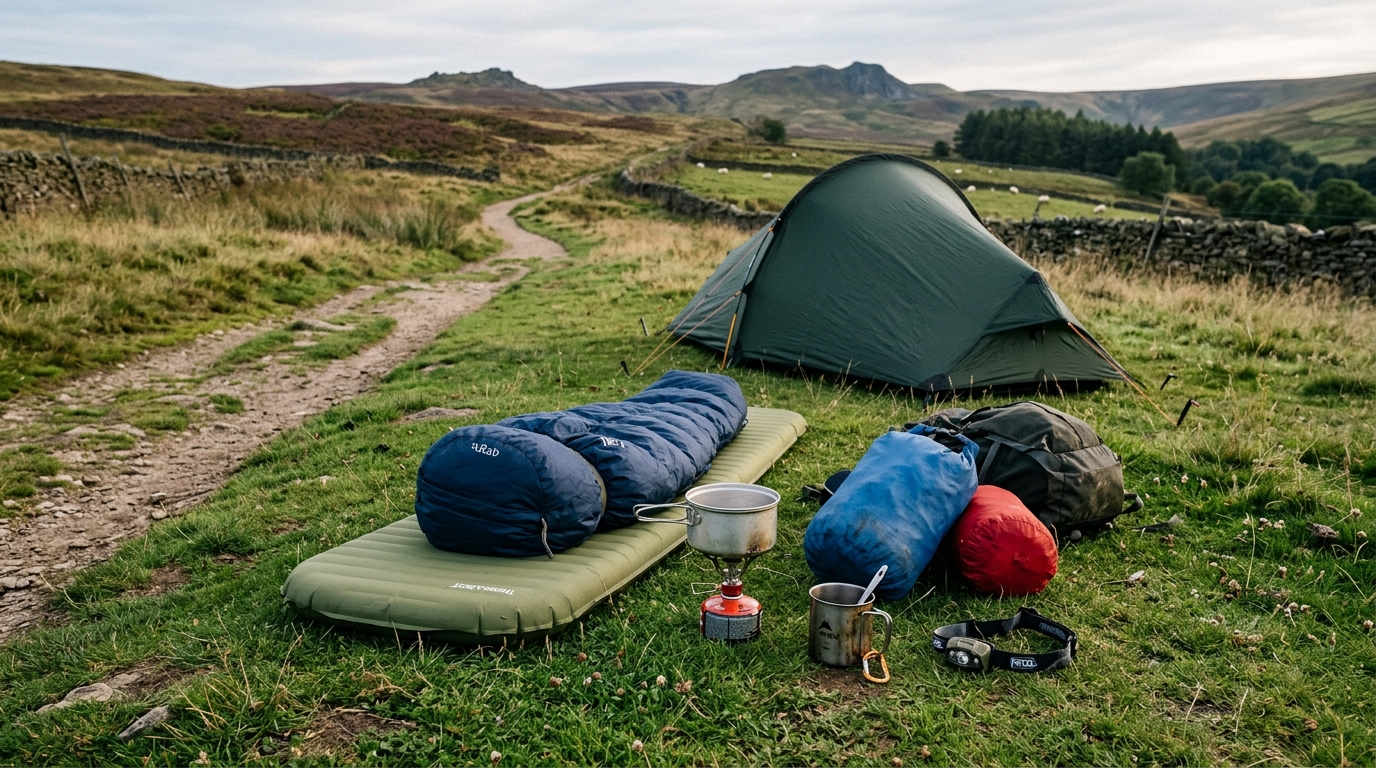
The foundation of camp comfort is sleep. Many hikers pack heavy, bulky sleeping bags, assuming thicker always means warmer. In reality, warmth is about thermal efficiency and preventing heat loss to the ground. A modern down quilt or high-loft sleeping bag paired with an insulated sleeping mat provides excellent warmth for a fraction of the weight.
When browsing hiking gear, look closely at the R-value of sleeping mats. The R-value measures thermal resistance; a mat with an R-value of 3 or higher prevents the cold ground from draining your body heat. A lightweight, insulated inflatable mat is far more comfortable – and packs down much smaller – than a traditional closed-cell foam roll. It supports your hips and shoulders, which is essential for side sleepers.
Additionally, consider your clothing as part of your sleep system. Rather than carrying a heavier sleeping bag for colder nights, wear your dry merino base layers and a clean pair of wool socks to bed. This keeps you warm without adding dead weight to your pack during the day.
Shelter choice: space without the weight
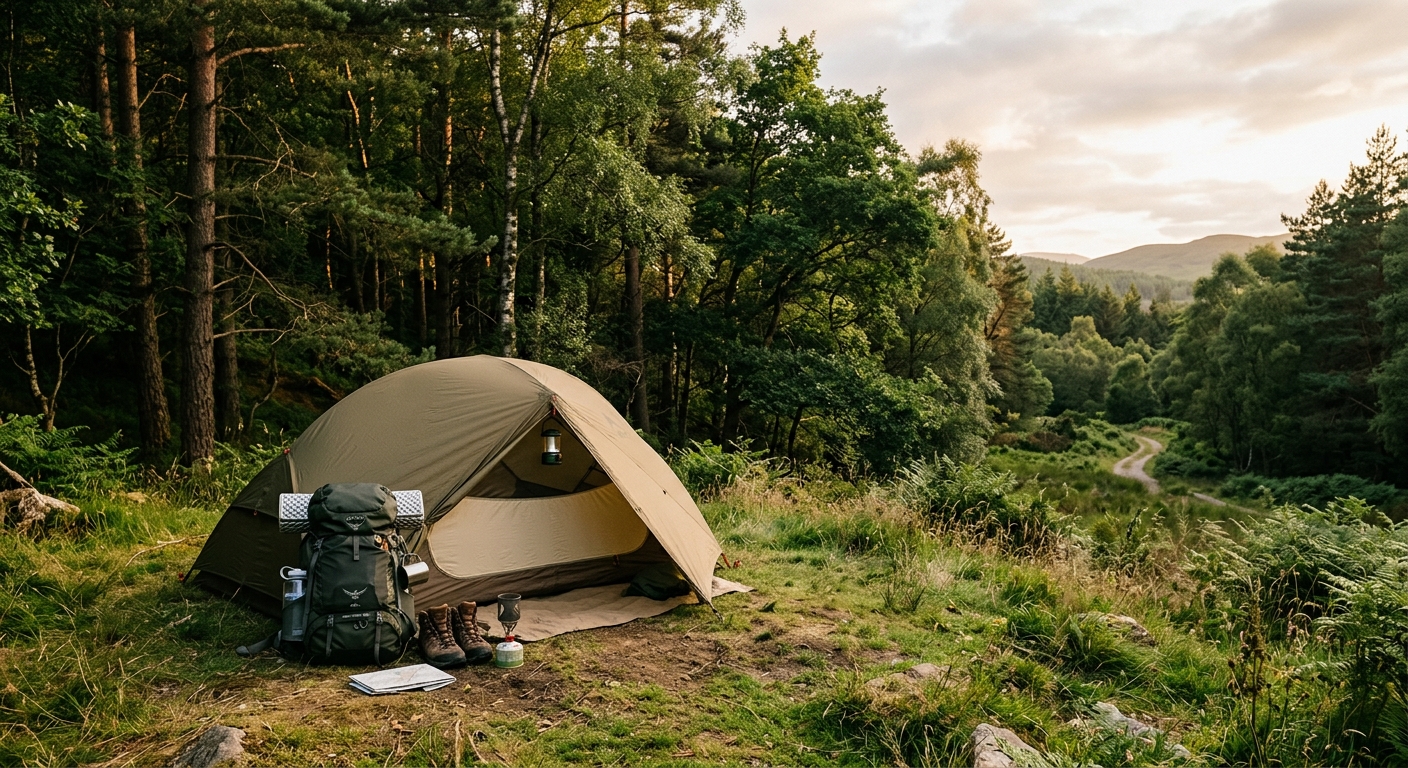
A tiny, cramped tent can feel claustrophobic after a long day on the trail. However, carrying a three-kilogramme dome tent is exhausting. The middle ground lies in semi-freestanding or trekking-pole-supported tents, which offer excellent interior space relative to their weight.
If you already use trekking poles for walking, using them to pitch your shelter eliminates the need for heavy aluminium tent poles. This is a cornerstone of lightweight camping. Look for tents with a generous vestibule. This allows you to store your muddy boots and pack outside the inner tent, maximising your internal living space without requiring a larger, heavier tent body.
Before setting off, it is wise to check the weather window for hikers in your target area. A lighter shelter is highly effective if you can pitch it in a sheltered spot, but you must ensure it matches the expected conditions. Always check local forecasts and land access rules before pitching.
Comfort through site selection
True comfort at camp is often determined before you even pitch your tent. A heavy, four-season tent pitched in a wind-exposed bog will be less comfortable than a lightweight shelter pitched in a dry, sheltered hollow.
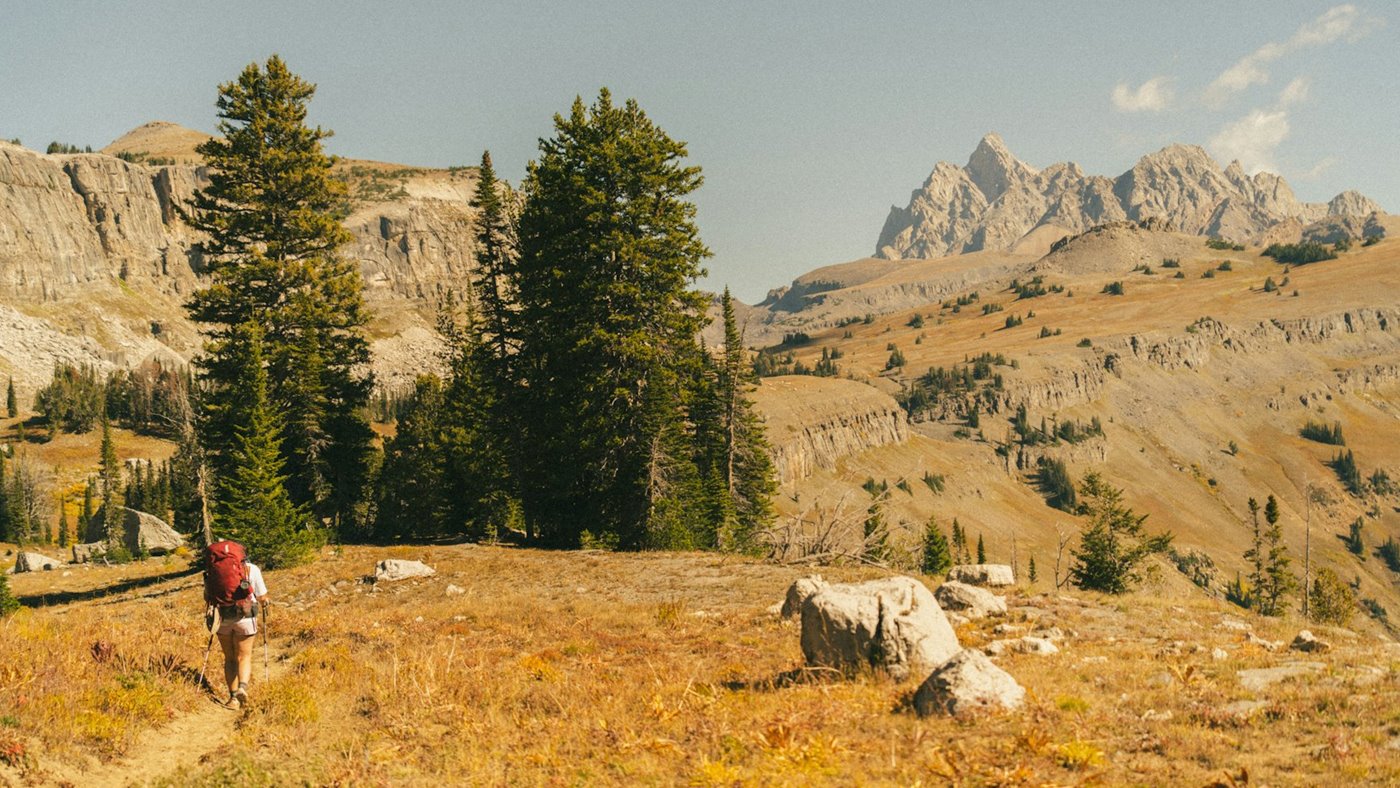
When planning your route using good route planning map habits, look for natural windbreaks, such as tree lines, low ridges, or dry depressions. Avoid camping at the very bottom of valleys, where cold air pools overnight, or too close to water sources, which increase condensation inside your tent. Pitching on dry pine needles or soft grass provides natural cushioning beneath your sleeping mat, making your night significantly warmer and softer.
Use fewer items for more than one job
To keep your pack light, every item should earn its place by serving more than one purpose. Carrying dedicated camp pillows, heavy camp chairs and multiple cooking pots quickly adds up to a sluggish hike. A spare fleece can become a pillow. A sit pad can protect your knees while cooking. A mug can replace a separate bowl on simple trips.
The goal is not uncomfortable minimalism. It is removing duplicate comfort items so the weight you do carry improves sleep, warmth and dry storage. Most hikers feel better with one reliable sleep system than with five small luxuries that make the walk harder.
| Comfort problem | Lightweight solution |
|---|---|
| Cold ground | Use an insulated mat with an appropriate R-value. |
| Poor pillow | Wrap spare clothing in a soft stuff sack. |
| Wet camp routine | Keep sleep kit sealed until the tent is pitched and dry. |
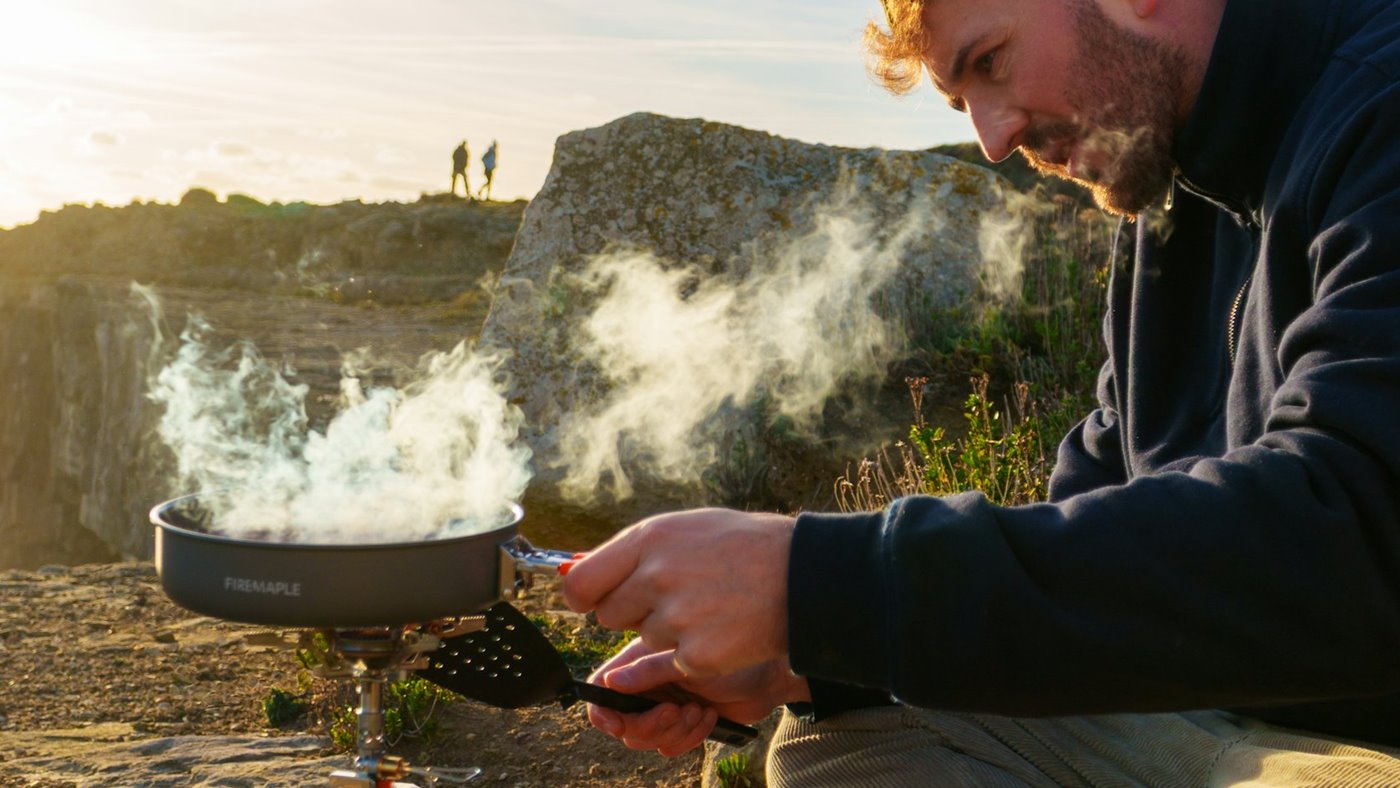
| Unstable cooking | Choose a sheltered flat spot and keep meals simple. |
Comfort is a system, not a shopping list. Improve the weak link first, then test the change on a short overnight before relying on it deep into a multi-day route.
Use terrain, weather and timing before the kit decision.