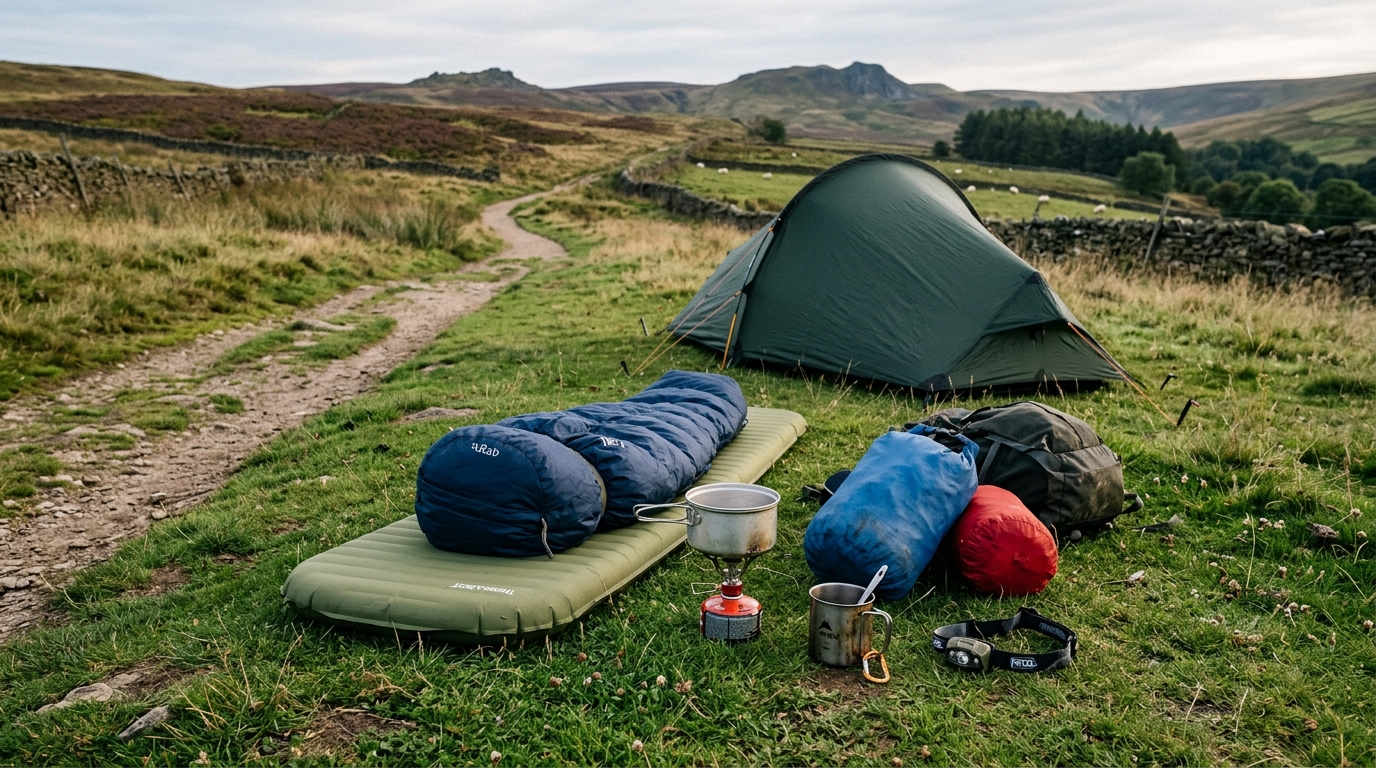
Many new campers spend most of their budget on a sleeping bag and treat the mat as an afterthought. That is backwards in cold or damp conditions. The ground can pull heat from your body all night. A sleeping bag lofts above you, but the insulation under you is compressed. The mat is what protects you from ground chill.
R-value is a measure of insulation. A higher number means more resistance to heat loss. It is not the only factor in comfort, but it is one of the easiest numbers to compare before buying.
What R-value means
R-value describes how well a sleeping mat resists heat transfer. Low values are fine for warm summer nights. Higher values protect you when the ground is cold, wet or frozen. If you regularly camp outside summer, a warmer mat can improve sleep more than a heavier sleeping bag.
Seasonal ranges
| R-value range | Typical use |
|---|---|
| Below 2 | Warm summer camps where ground chill is low. |
| 2 to 3.5 | Three-season use in mild conditions. |
| 3.5 to 5 | Cold shoulder-season camps and exposed sites. |
| Above 5 | Winter or very cold ground, when weight is less important than warmth. |
Warmth and comfort
Thickness helps comfort but does not automatically mean warmth. Some thick air mats have low insulation unless they include reflective or synthetic layers. Side sleepers may need more thickness, while cold sleepers may need more R-value than the season chart suggests.
Pack size tradeoffs
Warmer mats can cost more and may be heavier. The right choice depends on how often you camp, not on owning the lightest possible item. If poor sleep ruins your second day of walking, saving a few grams was not a saving at all.
Comfort affects warmth too
R-value is important, but sleep comfort also changes how warm you feel. If a mat is too narrow, noisy or thin for your sleeping style, you may wake often and feel colder even when the rating looks suitable. Side sleepers often need more cushioning than back sleepers. Test the mat at home for a full night if possible, not just for five minutes on a shop floor.
Match the mat to your coldest realistic trip
Buying only for perfect summer nights can limit future trips. If you expect spring or autumn camps, choose enough insulation for damp ground and colder early mornings. For winter or high ground, treat the mat as part of the sleep system with your bag, clothing and shelter. Saving weight on ground insulation is often a false saving when recovery matters the next day.
Do not ignore noise and pack shape
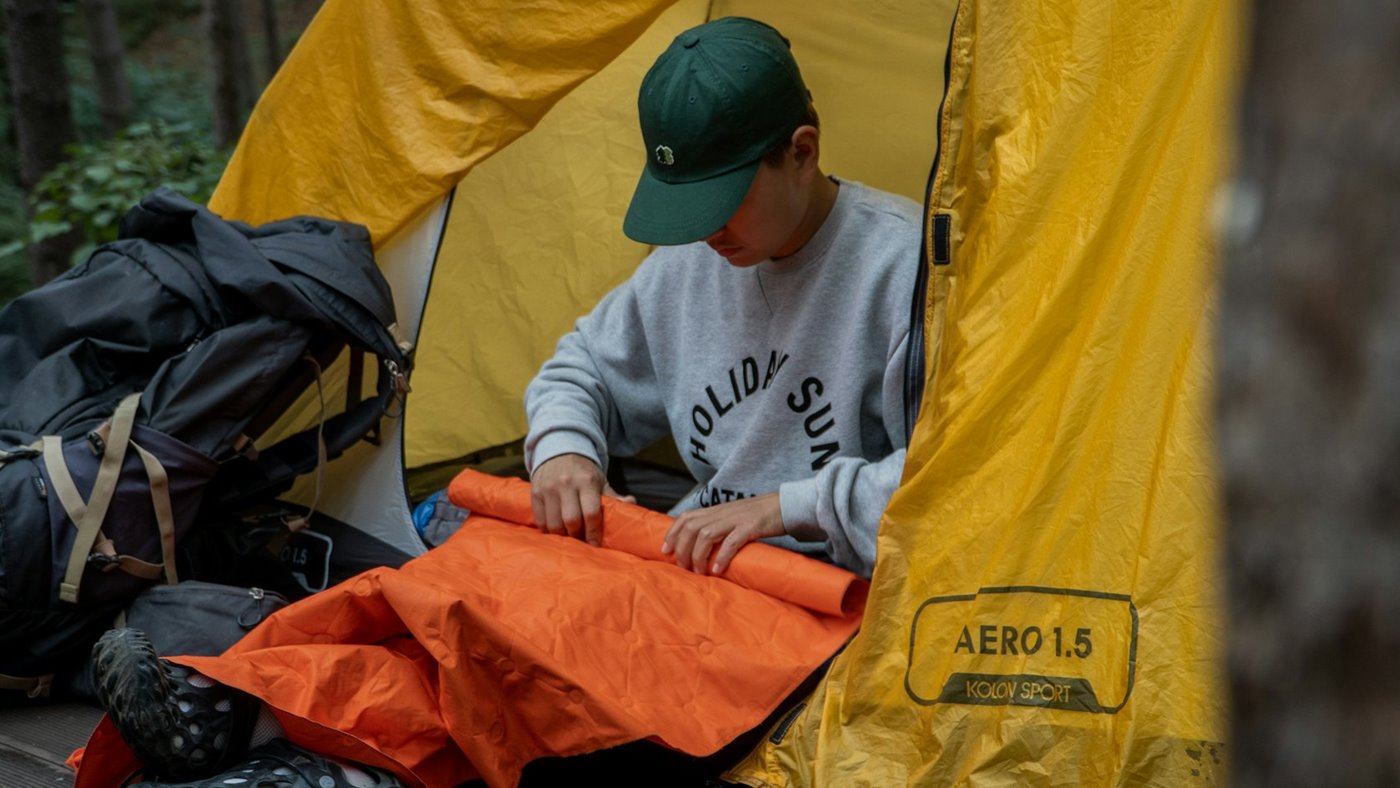
Some warm inflatable mats are noisy or awkward to pack. That matters in small tents and shared campsites. Check packed size against your rucksack and think about where the mat sits if it is wet in the morning. A slightly bulkier but quieter mat may be the better choice for repeated weekend use.
Use terrain, weather and timing before the kit decision.