Coastal walks can look easier than mountain routes because the path follows a visible edge. That can be misleading. Tides, cliff erosion, strong wind and limited escape points all change the risk. A safe coastal day starts with checks that inland walkers sometimes forget.
This guide focuses on planning habits for ordinary coast paths, not technical scrambling or beach crossings in dangerous conditions.
Tide and beach access
If any part of the route uses a beach, causeway or low shore path, check tide times from a reliable source before travel. Do not rely on footprints, old route notes or what other walkers appear to be doing. A safe beach at low tide can become impassable quickly.
Cliffs and erosion
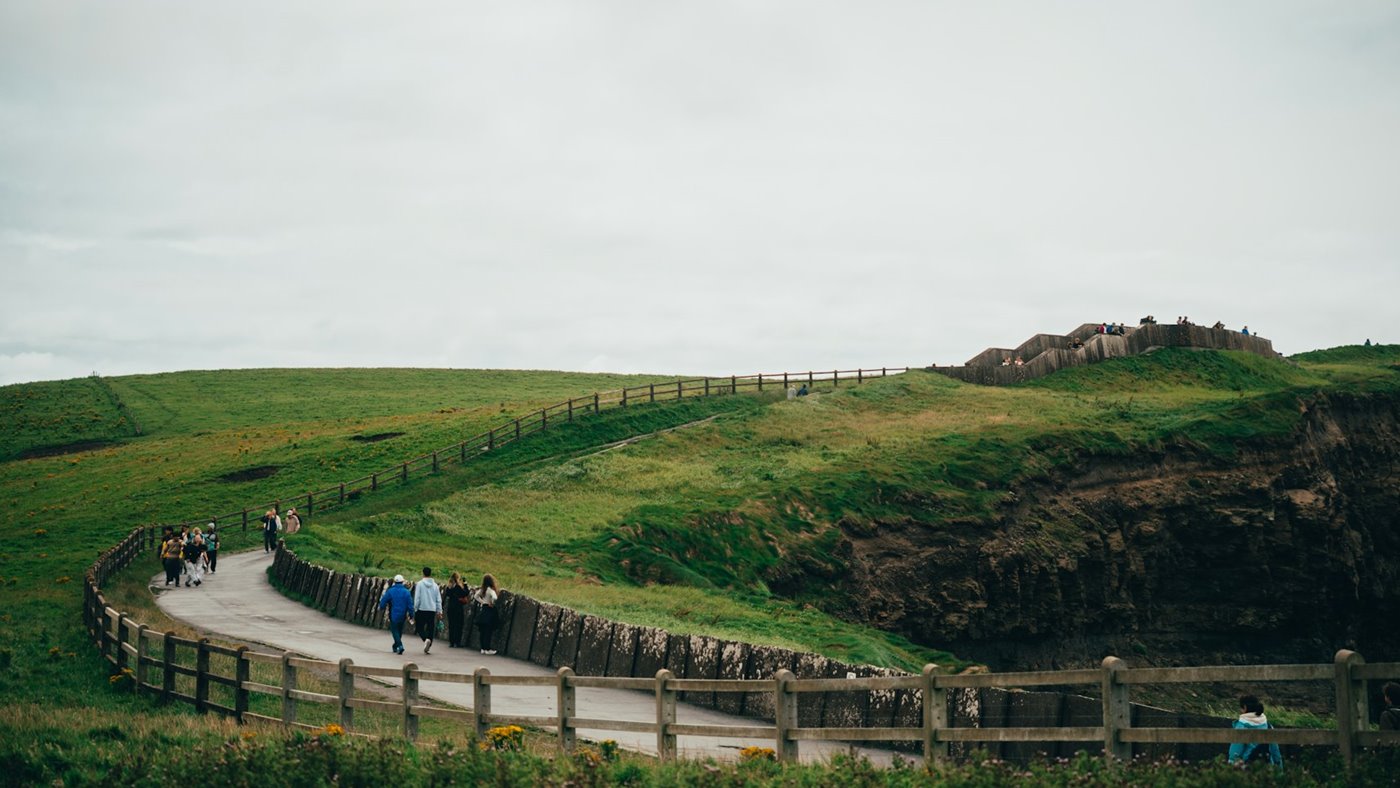
Keep away from cliff edges and the base of unstable cliffs. Erosion can undercut paths and create sudden drops. After storms, expect route diversions and respect closure signs.
Wind exposure
Coastal wind can be stronger than expected, especially on headlands. Strong gusts make narrow cliff paths more serious. If the forecast is marginal, choose a lower inland alternative or a shorter route.
| Check | Action |
|---|---|
| Tide time | Confirm safe windows before leaving home. |
| Path closure | Check local route updates and diversions. |
| Wind speed | Avoid exposed edges in strong gusts. |
| Exit points | Know where you can leave the coast path early. |
Fallback options
A good coastal plan includes a bus stop, inland path or shorter loop. If tide, wind or erosion changes the day, use the fallback early rather than forcing the original line.
Read the shoreline, not only the map
Coastal paths change more than inland trails. A line that looks simple on a map may pass eroded edges, slippery rock, soft sand or a beach section that disappears on a rising tide. Check the local tide table before leaving and look for recent path warnings where cliffs are unstable. If the route crosses a beach, know the last safe exit before you start that section.
Treat wind as a route factor
Strong wind can turn an easy cliff path into a poor choice, especially where the trail narrows or walkers need to pass close to an edge. Plan inland alternatives before the walk, not after conditions feel uncomfortable. A lower loop or village-to-village section can still make a good day while avoiding the exposed part that looked attractive on a calm-weather photo.
Match footwear to wet surfaces
Coastal walks often mix firm path, wet grass, polished rock, sand and steps. Lightweight trainers can be fine on dry promenade sections but poor on slippery headlands. If the route includes rock platforms or muddy cliff paths, choose grip and stability over looks. A short coastal route can still punish bad footwear.



Use terrain, weather and timing before the kit decision.