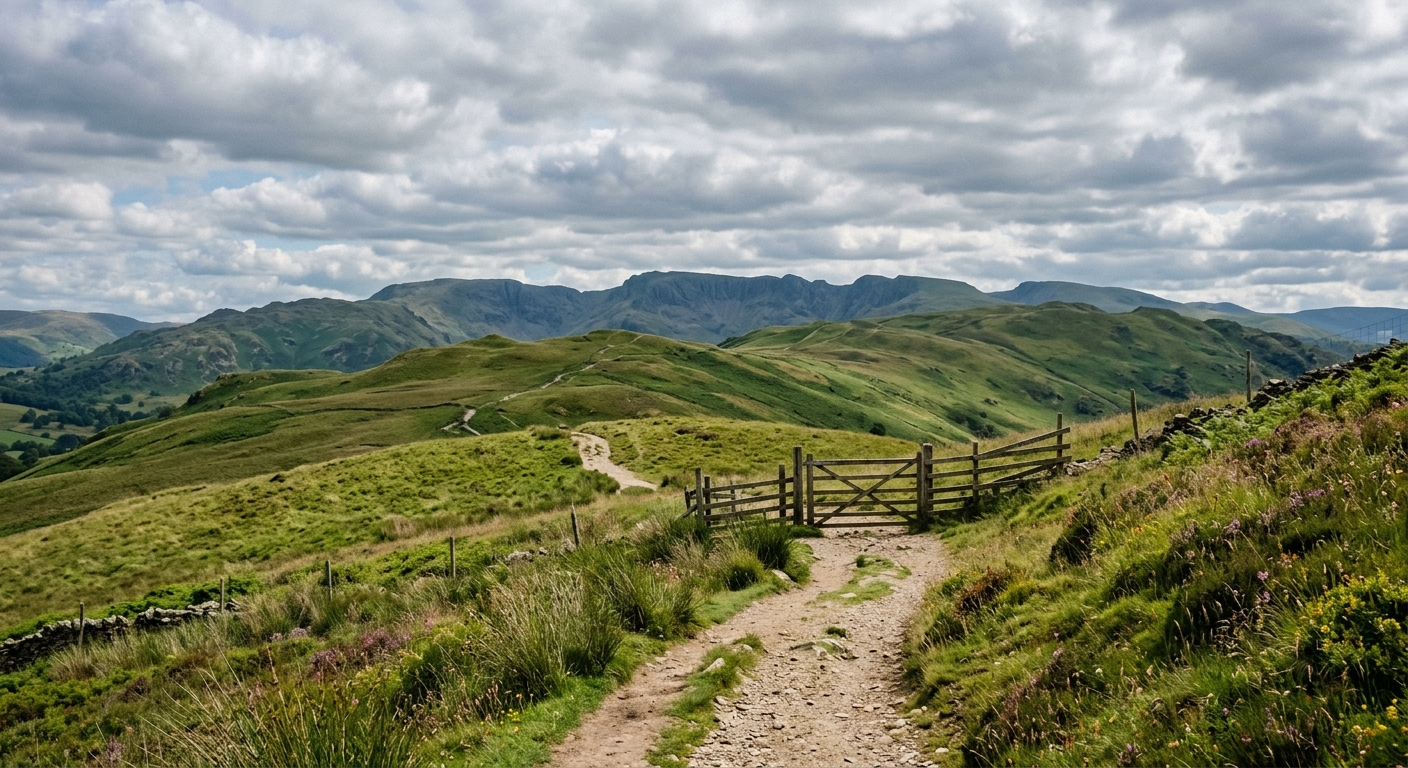
A two-day weekend offers a brief window for outdoor recreation. If you spend half of it sitting in motorway traffic, or find yourself stuck in a valley because of unexpected gale-force winds, the trip can feel like a wasted opportunity. Choosing the right weekend walking destination requires a balance of travel logistics, terrain variety, and weather resilience.
Rather than simply picking the most famous national park, a systematic approach to planning ensures you spend more time on the trail and less time managing complications. This guide outlines how to evaluate potential locations based on travel times, route density, weather exposure, and local infrastructure.
Key takeaways
- Keep travel time under four hours each way to maximise your actual walking time.
- Select areas with high route density so you can adapt your plans without changing your accommodation.
- Always identify low-level fallback routes in case of poor weather on the ridges.
- Check parking availability and public transport links before committing to a location.
Balancing travel time against trail time
The most common mistake when planning a short trip is overestimating how far you should travel. A long drive on a Friday evening reduces sleep and increases fatigue before you even lace up your boots. For a standard two-day weekend, a sensible rule of thumb is to limit travel to a maximum of three to four hours each way.
If you live in the Midlands, for example, a trip to the Scottish Highlands for a weekend walking destination will likely result in more hours spent in the car than on the hill. Instead, areas like the Peak District, the Yorkshire Dales, or the Shropshire Hills offer excellent walking within a shorter driving radius. When browsing potential destinations, consider not just the mileage, but the likelihood of traffic delays on major arterial roads.
Public transport can also dictate your choice. Rail links can sometimes be more efficient than driving. For instance, the West Coast Main Line provides direct access to the eastern Lake District, while the Hope Valley line connects Manchester and Sheffield directly to the heart of the Peak District. Choosing a destination with a railway station allows you to plan linear walks, starting at one station and finishing at another, without the logistical headache of returning to a parked car.
Route density and why options matter
Route density refers to the concentration of viable walking paths within a specific area. When you only have two days, you want to minimise the time spent driving between your accommodation and the trailheads. A high-density walking area allows you to step out of your door or take a very short bus ride to access multiple distinct routes.
If you choose a deep, isolated valley with only one path leading up to a ridge, your options are limited. If that ridge is blocked by ice or high winds, you may have to drive an hour to find an alternative. Conversely, areas with a dense network of public footpaths and bridleways allow you to shorten, lengthen, or redirect your walk on the go. Developing good route-planning map habits will help you identify these hubs where multiple trails intersect, giving you the flexibility to change your itinerary at short notice.
Weather exposure and fallback choices
Mountain weather is unpredictable, and conditions can change rapidly. A weekend walking destination that relies entirely on high-altitude, exposed ridges is a risky choice. If the summits are covered in thick cloud or subjected to high winds, you need safe, interesting alternatives at lower elevations.
Before setting off, always check the local mountain weather forecasts. Understanding the weather window for hikers in your chosen area will tell you whether it is safe to head high or if you should stick to the valleys. A good destination should have a mix of terrain types. For example, if you visit the Lake District, you want an area that offers both high-level fell walking (like the Helvellyn range) and sheltered woodland or lakeshore paths (like the valleys of Borrowdale or Great Langdale) for when the weather turns.
When assessing a destination, look for the following fallback options on the map:
Check the local plan before booking
A good weekend destination has more than one good walk. Before booking accommodation, check whether the area gives you a low-level route, a shorter bad-weather route and a more ambitious option for clear conditions. If all of your plans depend on one exposed ridge, the weekend is fragile before it starts.
Also check the unglamorous details: parking restrictions, last bus times, seasonal road closures, food options and how long it takes to reach the start from where you are staying. These small logistics decide whether the trip feels relaxed or constantly rushed.
| Destination feature | Why it matters |
|---|---|
| Route density | Lets you adapt without moving base. |
| Mixed terrain | Provides valley, woodland or coast alternatives in poor weather. |
| Transport options | Reduces dependence on one crowded car park. |
| Nearby services | Makes short trips easier when plans change late. |
The best walking base is rarely just the most famous place. It is the place that gives you several good decisions from the same weekend.

Use terrain, weather and timing before the kit decision.