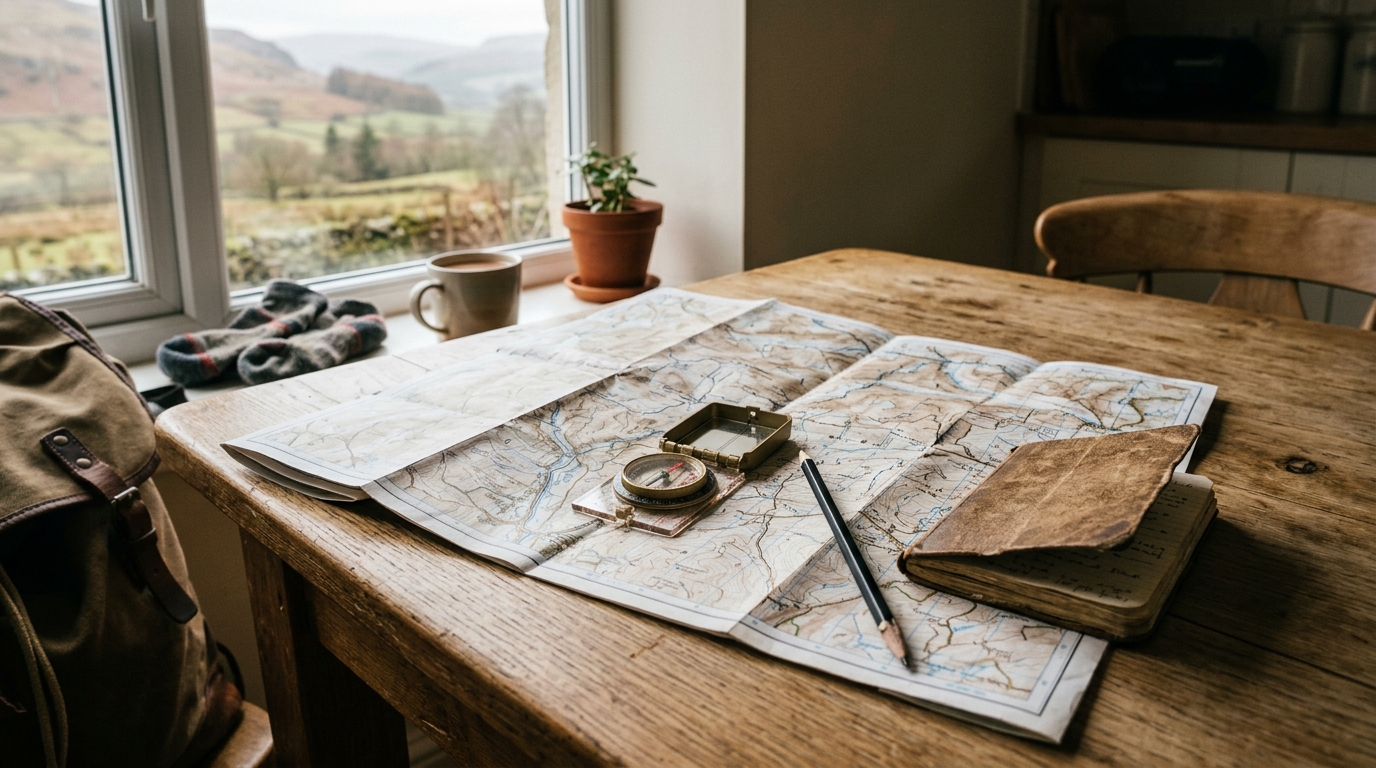
A family-friendly walk is not simply a short adult walk. Children, mixed fitness levels and different attention spans change the plan. The best routes offer interest, simple navigation, places to pause and a way to shorten the day without making it feel like failure.
Start with the people, then choose the route. Distance is only one part of the decision.
Choose distance carefully
Pick a route that leaves energy at the end. A loop that is too long can become difficult once tired legs appear because there is no easy turn-back. Out-and-back routes, figure-eight loops or routes near transport give more flexibility.
Add interest points
Woodland, streams, viewpoints, bridges, picnic spots and wildlife watching can make a walk feel shorter. Long featureless tracks are harder for beginners even when the distance looks modest.
Facilities and exits
Check toilets, parking, cafes, public transport and phone signal before leaving. These details are not glamorous, but they often decide whether the day feels relaxed.
| Route feature | Why it helps |
|---|---|
| Short loops | Easy to complete without pressure. |
| Clear paths | Less navigation stress with a group. |
| Facilities nearby | Useful for weather changes and tired walkers. |
| Several stopping points | Keeps the walk social rather than forced. |
Weather and pace
Plan more breaks than you would alone. Carry spare snacks and a warmer layer for the slowest member of the group. If the weather looks uncertain, choose a lower route with easy exit points.
Plan around the slowest walker
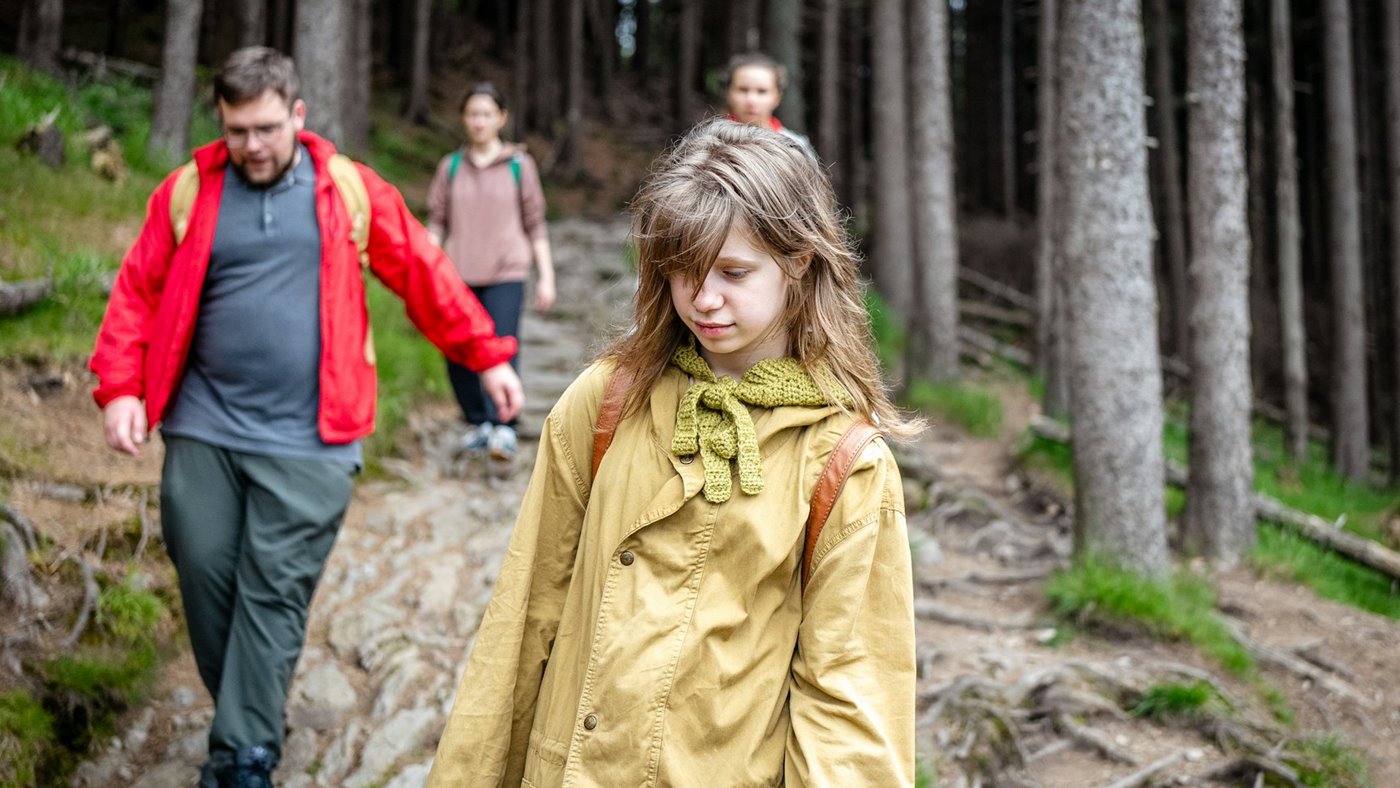
A family route works when the whole group can finish with some energy left. Judge the day by the youngest walker, the least confident walker and the person carrying the most. Short distance can still feel hard if the path is muddy, exposed or full of small climbs. Choose a route with clear turn-back points, toilets or cafes nearby, and a simple way to shorten the walk if attention drops.
Use small rewards without overpacking
Children and mixed-ability groups usually do better with visible milestones: a bridge, viewpoint, beach, woodland section or picnic bench. Pack snacks where they are easy to reach and keep a warm layer for anyone who waits around while others explore. The best family plan is not the longest route. It is the one that ends before tiredness turns into pressure.
Check facilities and exits before distance
For families, the useful details are often practical rather than scenic. Parking, toilets, shelter, buggy-friendly sections, dog rules and transport back to the start can decide whether the day works. If the route depends on one cafe, ferry or bus, check opening times before leaving and carry enough food for a delay.
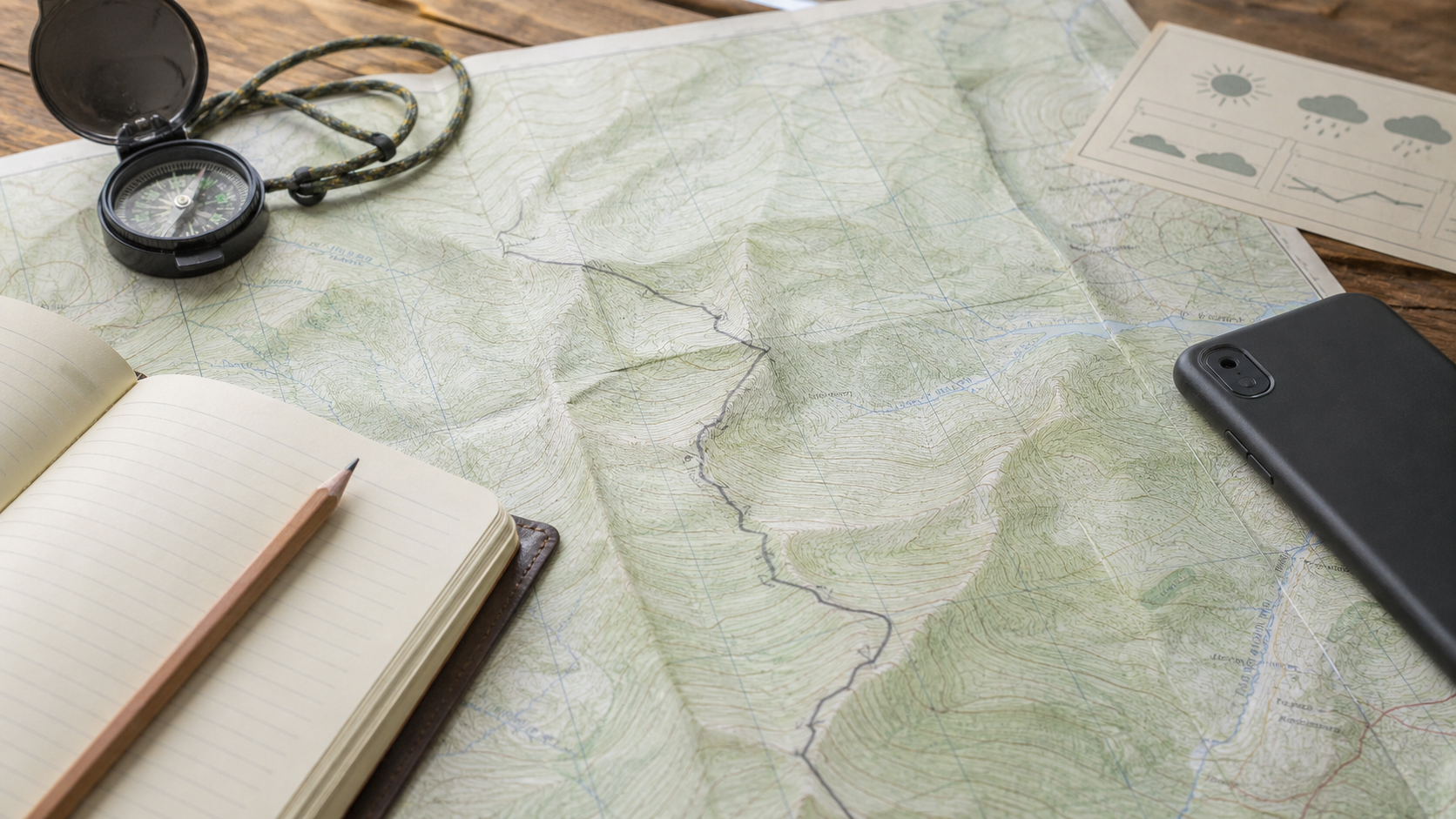
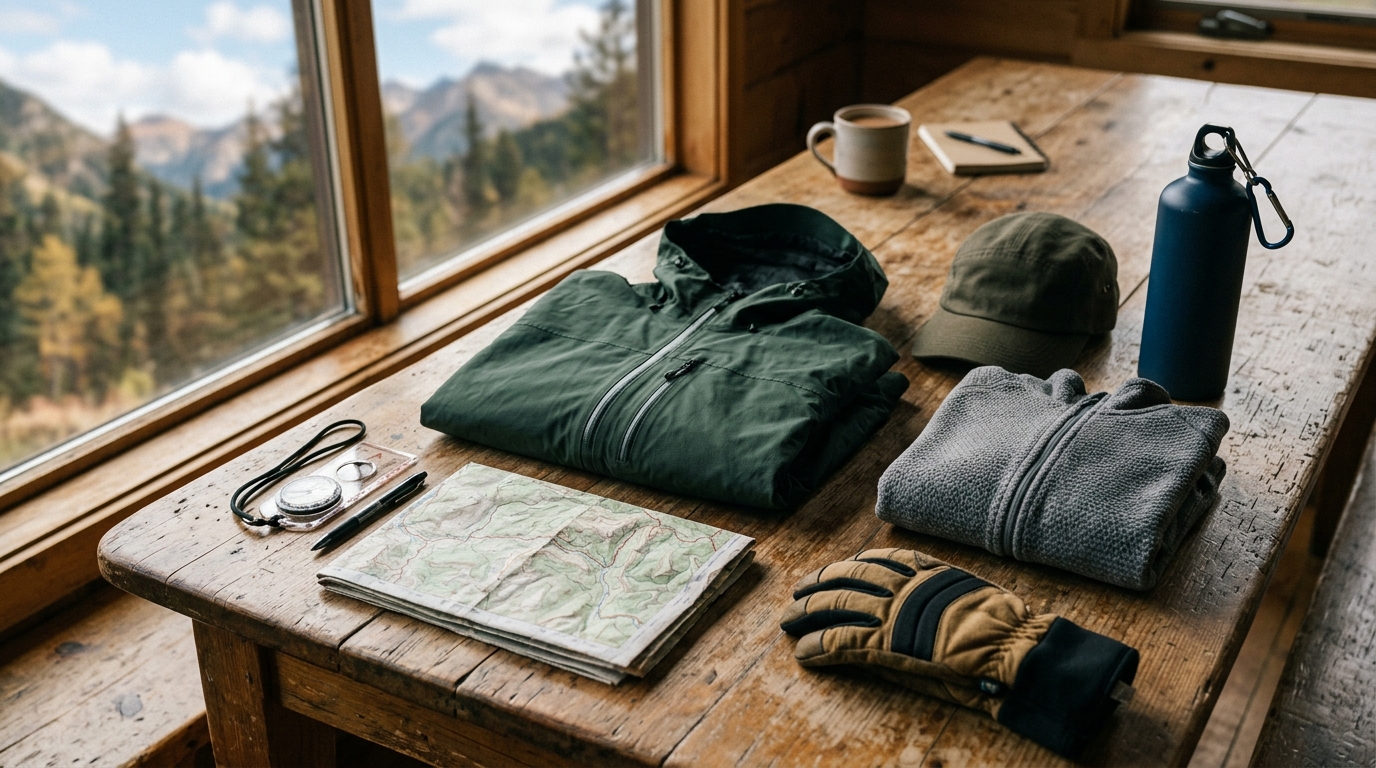
Use terrain, weather and timing before the kit decision.