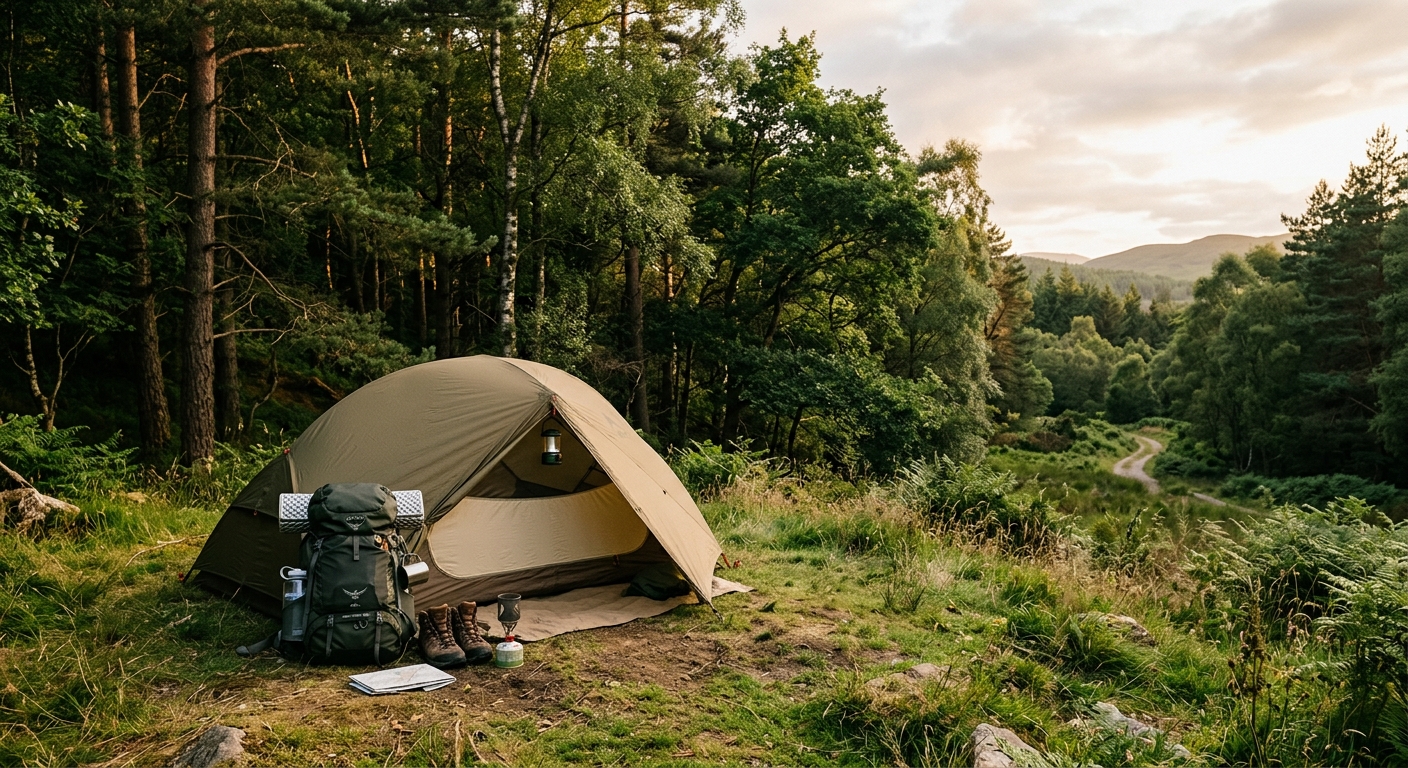
A trail that is a straightforward, sun-dappled walk in July can become a serious navigational challenge by January. Effective seasonal hiking planning is about understanding how the environment changes throughout the year and adjusting your preparation to match. Whether you are dealing with the limited daylight of winter or the intense heat of midsummer, your route choice, kit list, and safety margins must adapt. This guide covers the core factors that change with the seasons, helping you stay safe and comfortable on the hills year-round.
Key takeaways
- Daylight dictates distance: Winter routes must be shorter, with strict turnaround times to avoid being caught out after dark.
- Ground conditions shift: Mud, ice, and overgrown summer vegetation all affect your walking speed and safety.
- Layering is dynamic: Adjust your clothing system to manage sweat in summer and retain heat during cold, damp spells.
- Check local forecasts: Always verify the specific mountain weather before setting off, as valley conditions rarely match the summits.
Managing daylight and route choice
Daylight is the most predictable variable in seasonal hiking planning, yet it is frequently underestimated. In the British Isles and northern latitudes, the difference between summer and winter daylight hours is stark. A midsummer hike offers up to 16 hours of light, allowing for long, ambitious point-to-point routes. In contrast, midwinter reduces this window to less than eight hours.
When planning winter walks, you must scale back your ambitions. Calculate your average walking speed conservatively – typically 3 to 4 km/h on flat ground, but much slower when ascending or navigating snow. If you are introducing beginners to the hills in winter, look for a beginner-friendly trail difficulty rating and plan to finish well before dusk. Always pack a reliable headtorch, even if you expect to return in daylight. A simple delay, such as a minor navigation error, can quickly push your descent into darkness.
Ground conditions and underfoot safety
The terrain underfoot changes dramatically with the weather. In spring and autumn, rainfall can turn dry paths into waterlogged bogs and slippery clay. This slows your pace and increases physical fatigue. During these wetter months, route choice should favour well-maintained gravel paths or ridge lines rather than low-lying valley floors that collect water.
Winter brings the challenge of ice, frost, and snow. Even a light dusting of snow can obscure trail markers and hazards, requiring strong map-reading skills. Developing solid route-planning map habits is essential here; you cannot rely on clear ground visibility or footprints in the snow. In summer, the challenges are different but still present. Overgrown bracken, nettles, and brambles can make lesser-used paths impassable, while dry, loose scree on steep descents becomes a slip hazard.
Heat, cold and temperature swings
Managing your body temperature is a year-round task, but the risks shift from hypothermia in winter to heat exhaustion and dehydration in summer. In cold weather, the wind chill factor on exposed summits can make the air feel significantly colder than the valley forecast suggests. You must monitor the weather closely and identify a safe weather window for hikers before heading out.
In summer, heat management is the priority. High temperatures demand a slower pace and frequent rest breaks in the shade. Water planning becomes critical. You need to carry more fluid than usual and research whether there are reliable natural water sources along the way (which will require filtration) or if you must carry your entire supply. Sun protection – including a hat, sunglasses, and high-factor sunscreen – is essential, as high altitudes offer less protection from UV rays.
Layering and gear adjustments
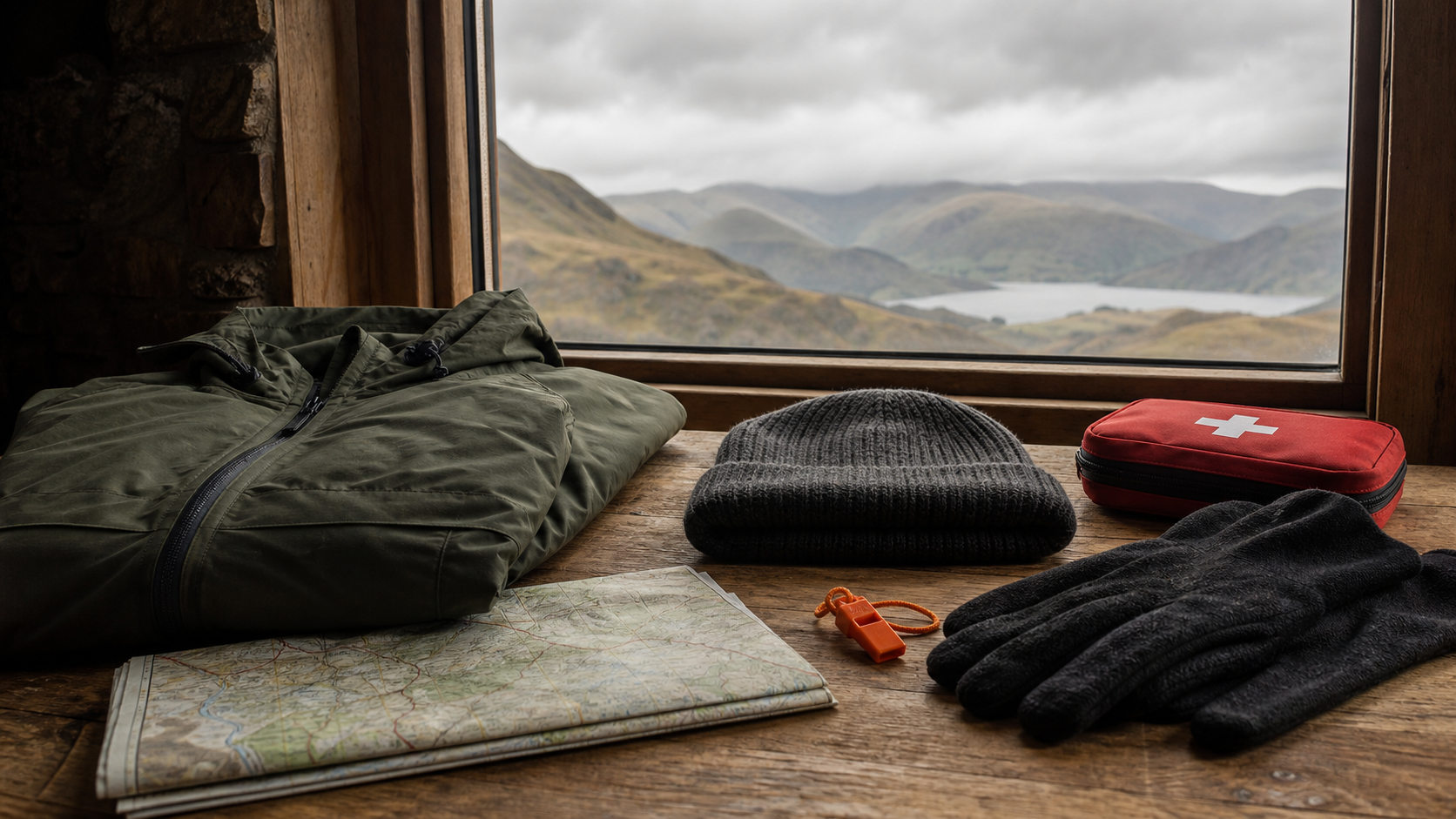
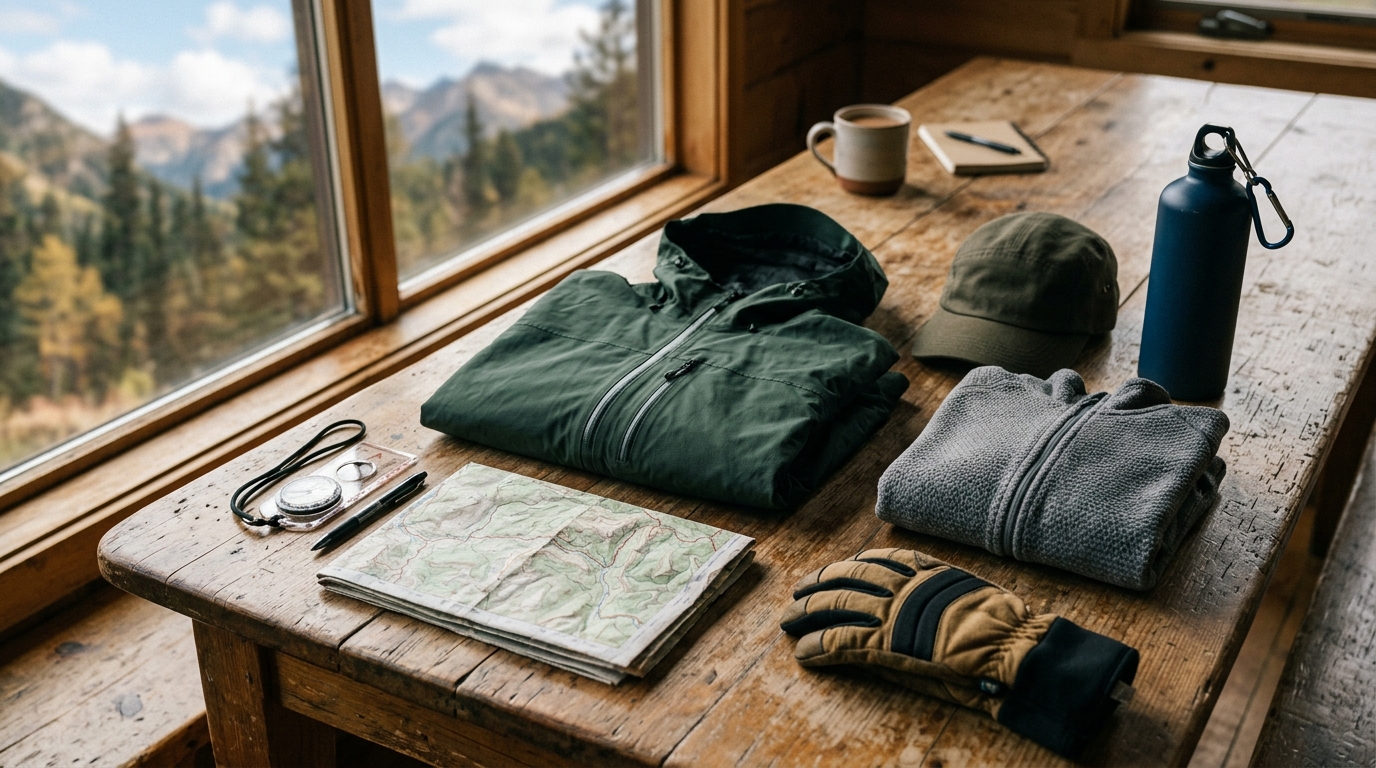
Your clothing system should change with the season, but the principle stays the same: manage moisture first, then warmth. In winter, a sweat-soaked base layer can chill you quickly when you stop. In summer, carrying too little warm clothing can become a problem if wind rises on an exposed ridge.
Pack for the coldest realistic part of the day, not just the warmest forecast hour. A thin hat, gloves and windproof layer can be useful outside winter when the route is high, shaded or coastal.
Seasonal planning comparison
| Season | Main planning issue | Useful adjustment |
|---|---|---|
| Spring | Wet ground, lingering snow patches and fast-changing temperatures. | Choose flexible routes and carry spare dry layers. |
| Summer | Heat, sun exposure, busy trails and water demand. | Start earlier, carry more water and plan shade breaks. |
| Autumn | Shortening daylight, slippery leaves and unsettled weather. | Shorten routes and set firmer turnaround times. |
| Winter | Low daylight, ice risk, wind chill and navigation difficulty. | Use conservative timings and avoid committing terrain unless trained. |
Seasonal planning is not about owning four separate gear wardrobes. It is about adjusting distance, exposure and margin before the route starts to demand more than the day can safely give.
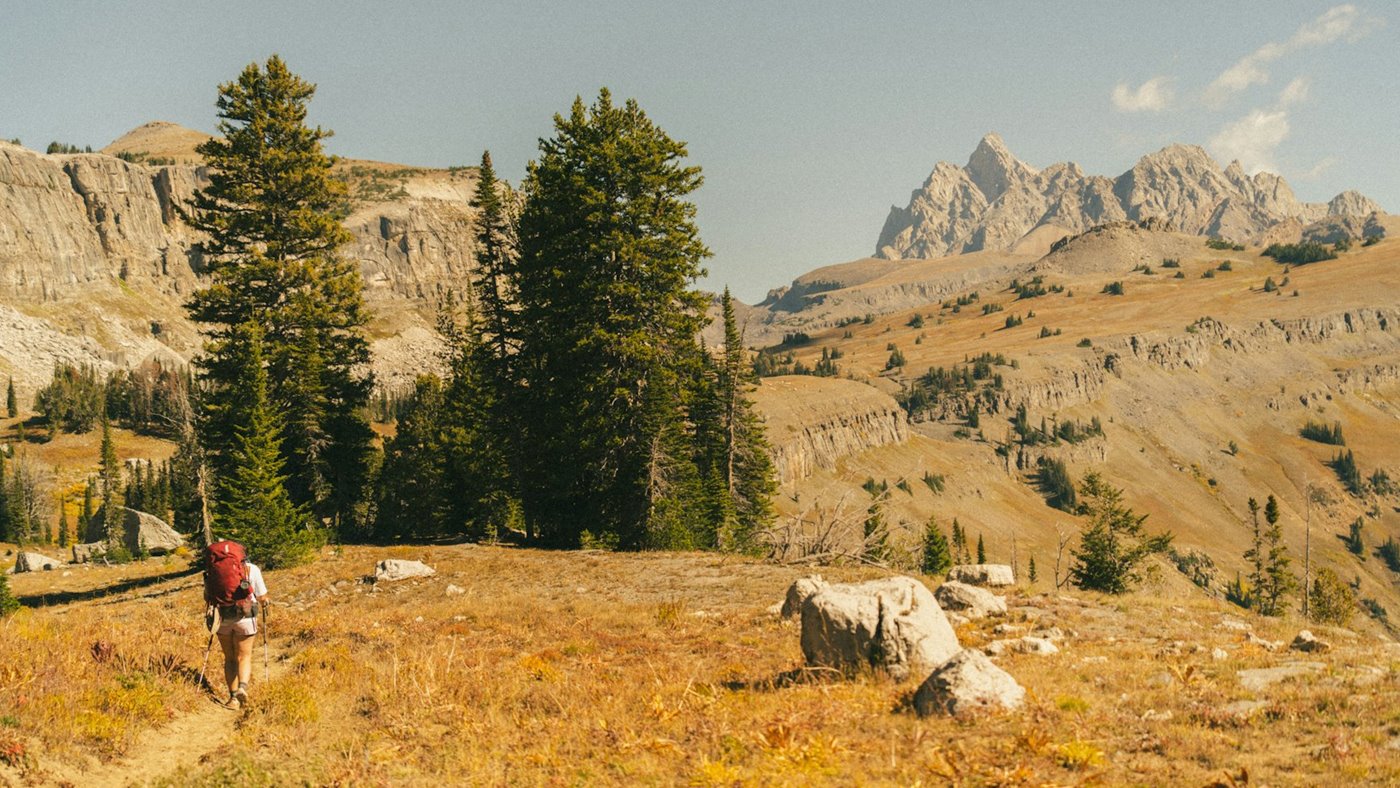

Use terrain, weather and timing before the kit decision.