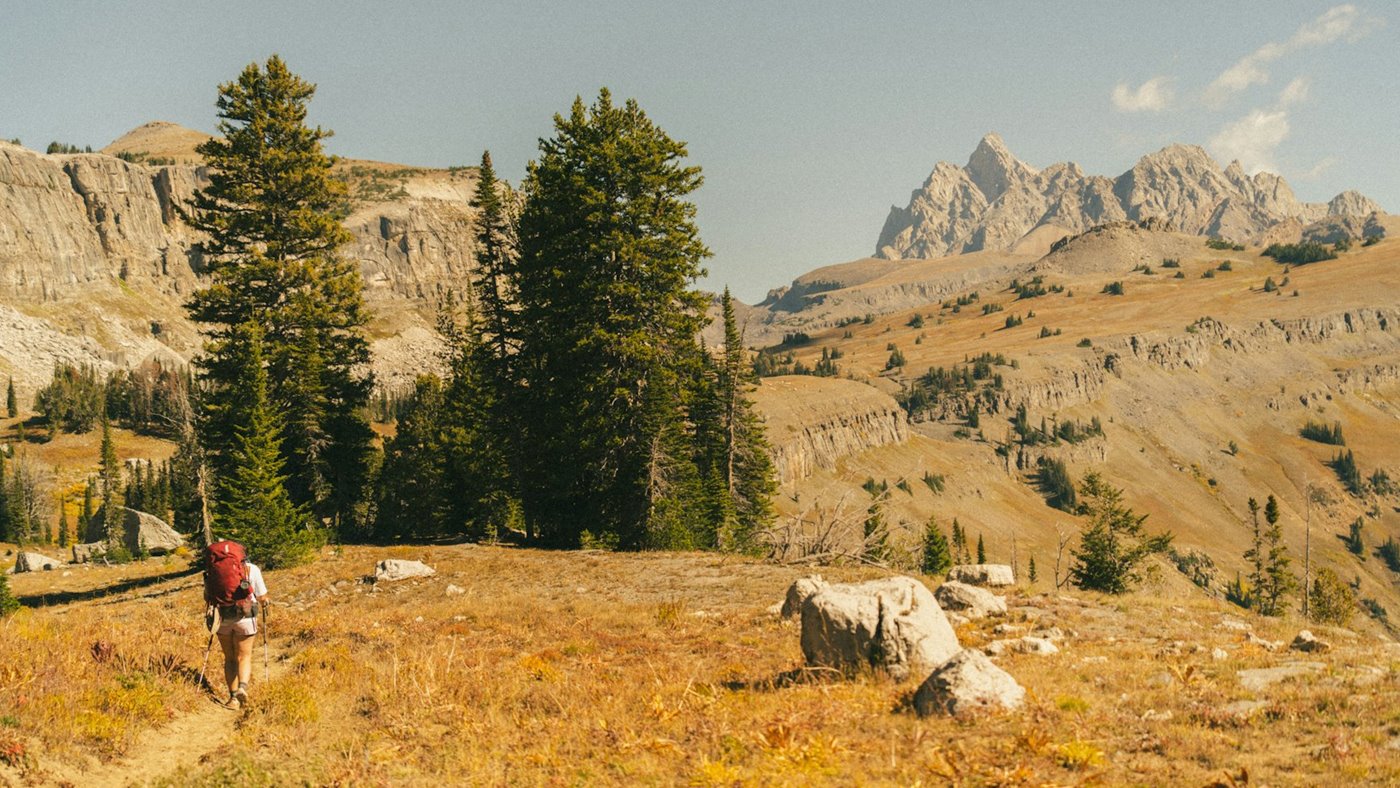
Winter layering is not about wearing the warmest clothes from the start. It is about staying dry enough while moving and warm enough when stopped. Overheating on the first climb can leave your base layer wet, which becomes uncomfortable or risky when wind rises or you pause for food.
The useful system is simple: a wicking base, adjustable insulation, reliable weather protection and spare warmth kept dry.
Dress for moving
Start slightly cool if the route climbs immediately. A base layer and light mid-layer may be enough while moving uphill. Use zips, cuffs and hat changes to control heat before sweat builds up.
Add warmth for stops
Carry a warmer layer for rests, navigation delays or emergencies. It should stay dry in the pack until needed. Putting on insulation before you get cold is much easier than trying to recover warmth later.
Hands, head and feet
Spare gloves are small and valuable. Wet gloves can make simple tasks difficult. A warm hat, buff and suitable socks also matter because small discomforts become larger in cold wind.
| Layer | Purpose |
|---|---|
| Base layer | Move moisture away from skin. |
| Active mid-layer | Warmth while walking without overheating. |
| Shell | Protection from wind, rain or snow. |
| Stop layer | Extra warmth for rests and delays. |
Adjust early
Layering works only if you use it. Stop for thirty seconds to remove a hat, open a zip or add a shell before conditions force the decision. Small adjustments prevent big comfort problems.
Control moisture before cold
The most common winter mistake is dressing warmly at the car and then sweating through the first climb. Start slightly cool, open vents early and remove a hat or mid-layer before you feel damp. Wet base layers make stops uncomfortable and can become risky if wind increases. Carrying a dry spare layer is more useful than wearing every layer from the start.
Build a stop system
Short winter stops need a routine. Put on insulation first, then eat, drink and check the next section of the route. Keep gloves and a hat in the same pocket every time so they are not buried in the pack. If a group is moving at different speeds, the faster walkers should add layers while waiting instead of standing around cooling down.
Know when warmth is no longer enough
Good layering does not make every winter route sensible. If wind is stronger than expected, visibility drops or the group keeps stopping to fix clothing, shorten the plan early. Cold decisions get worse when people are tired. Turning back while everyone is still comfortable is better than waiting until hands are numb and navigation feels rushed.
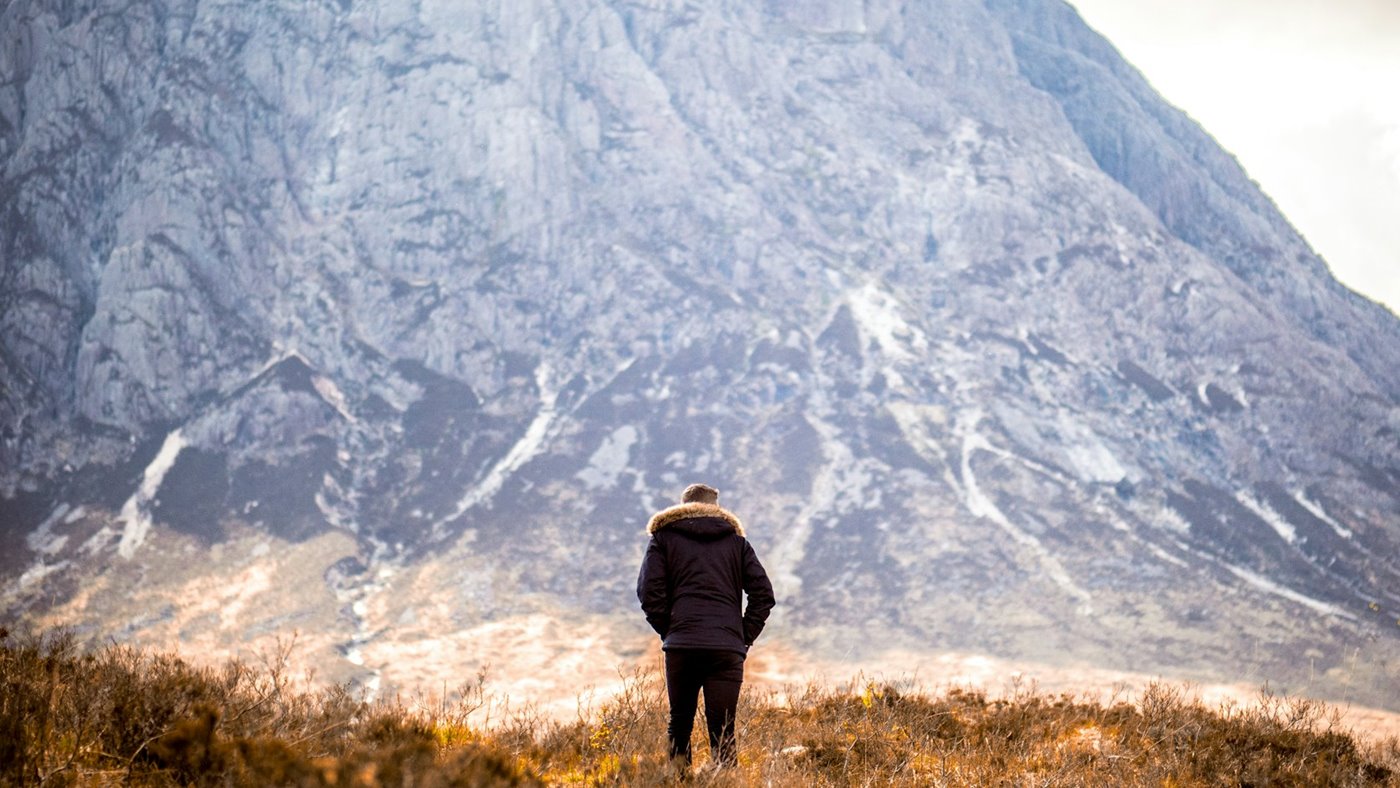
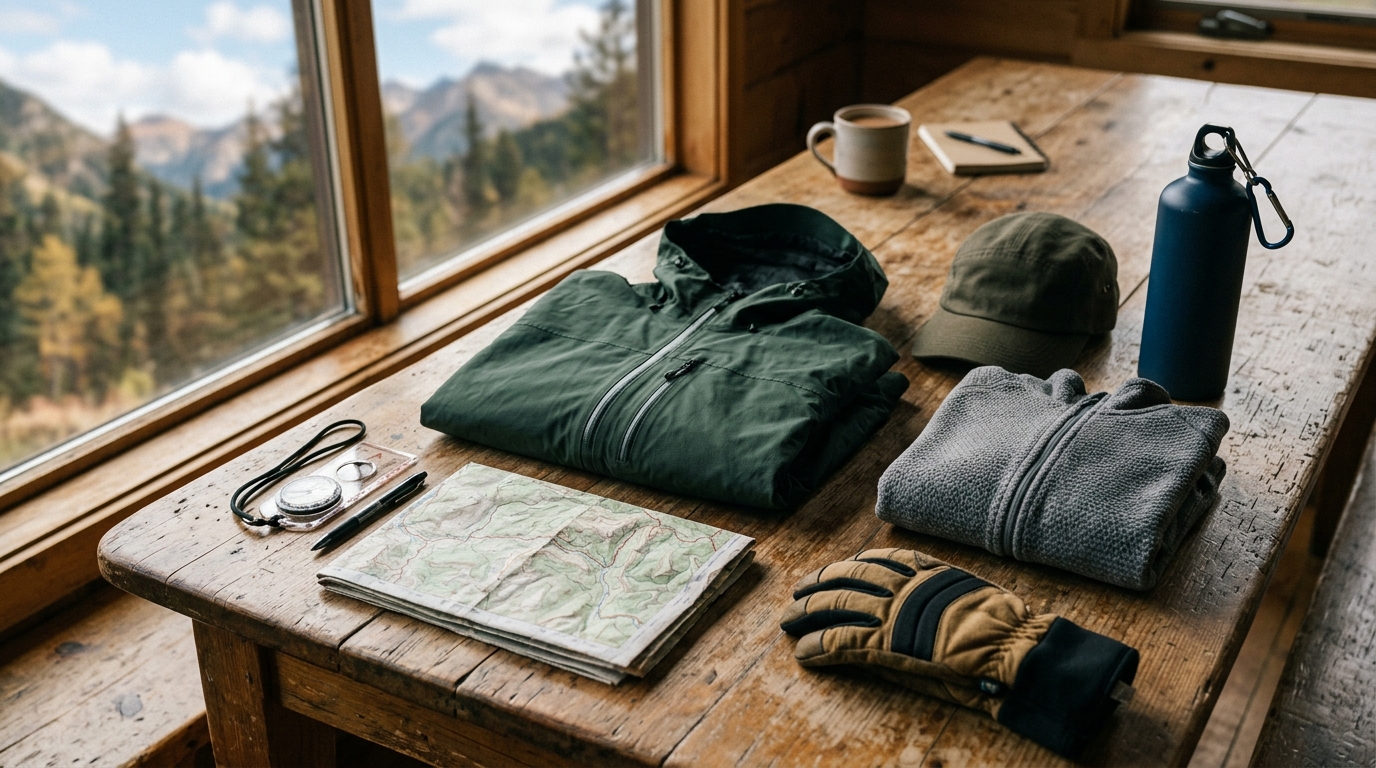
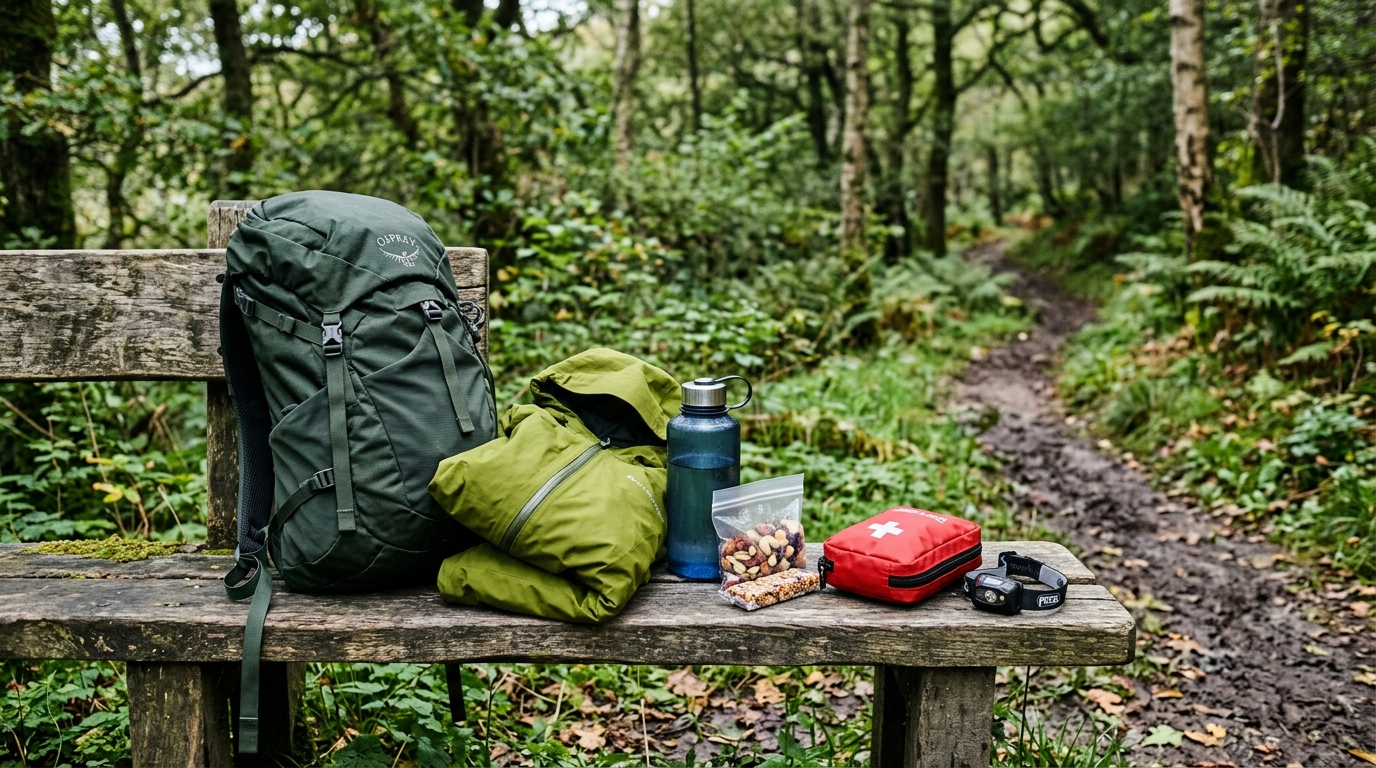
Use terrain, weather and timing before the kit decision.